Arts And Crafts Movement in Bromley – Ernest Newton

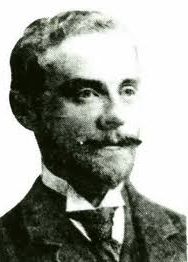
Ernest Newton (thanks to the Chislehurst Society)

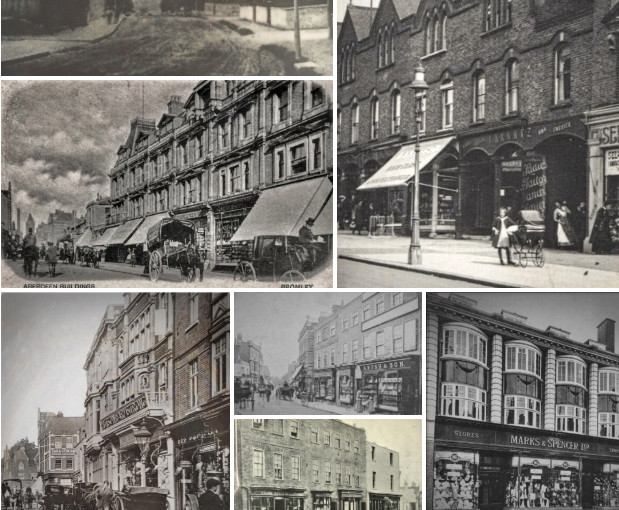
Ernest Newton was a renown Arts and Crafts movement architect.  In Bromley, in addition to the rebuilding of the Bishops Palace, he built one of his best works, The Royal Bell on the High Street

This lovely red brick building has Queen Anne style plaster initials and designs, and gracious bay windows.  Originally it also had a stain glass porch on the front.

There is more on the Royal Bell’s website.

The Chislehurst Society (as his portfolio has a number of fine examples there) says on this page: “Ernest Newton (right) was born in Bickley in 1856, the son of an estate manager. He was educated at Uppingham School, Rutland. He married Antoinette Hoyack in 1881, and they had three sons. He was resident again at Bickley in 1883 where he built his own house at Bird in Hand Lane, Bickley in 1884. Over the next 20 years he designed a large number of houses in the Bickley and Chislehurst area, many of which still exist“.
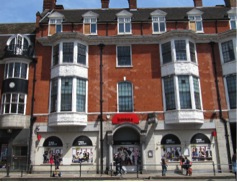
Royal Bell

Ernest Newton was a protégé of Norman Shaw, who had exemplified the best late Nineteenth Century architectural practices developing the suburbs of Bedford Park.  Norman Shaw is thought to have introduced him to the Lord of Manor of Lee, Earl Northbrook (of the Baring banking family). The manor of Lee, especially Grove Park, was the subject of “progressive” development in the Victorian era, a chance to create a “artistic suburb” in the same manner as Bedford Park. 

On Barings Road, he designed the villa “Three Gables” (that was occupied by the children’s author E Nesbit:

“The house was in the best fashion of “Queen Anne” free styling, beneath the hipped roof, tall brick chimneys and titular gables (two half timbered, the central one pargeted), the fenestration was irregular and deep bay windows were thrown out from the principal rooms into the generous gardens. It was a suitably free and liberating backdrop for Nesbit and her circle, that included HG Wells and George Bernard Shaw. Whether just following architectural fashion or a real attempt to style a South London rival to Bedford Park, the efforts of Lord Northbrook did attract its share of liberals and free-thinkers.” from http://www.theroyalbell.co.uk/

There’s more about his buildings at the page on the Chislehurst Society about him.

Three Gables – Grove Park
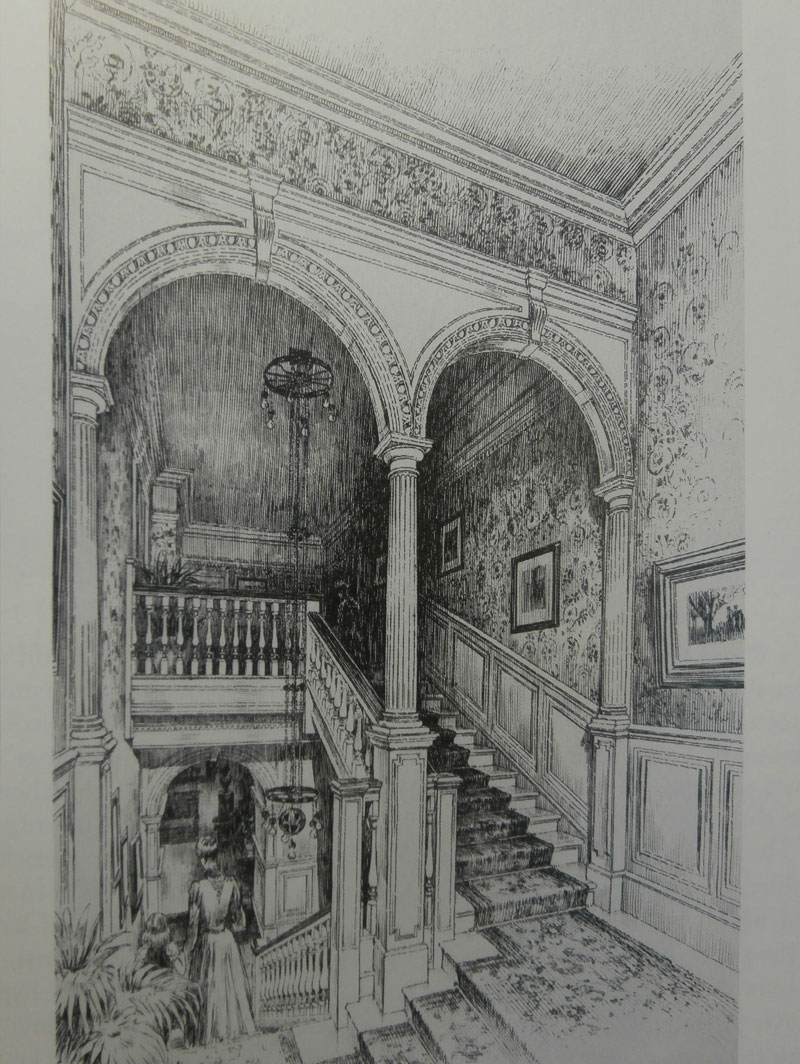
Bullers Wood
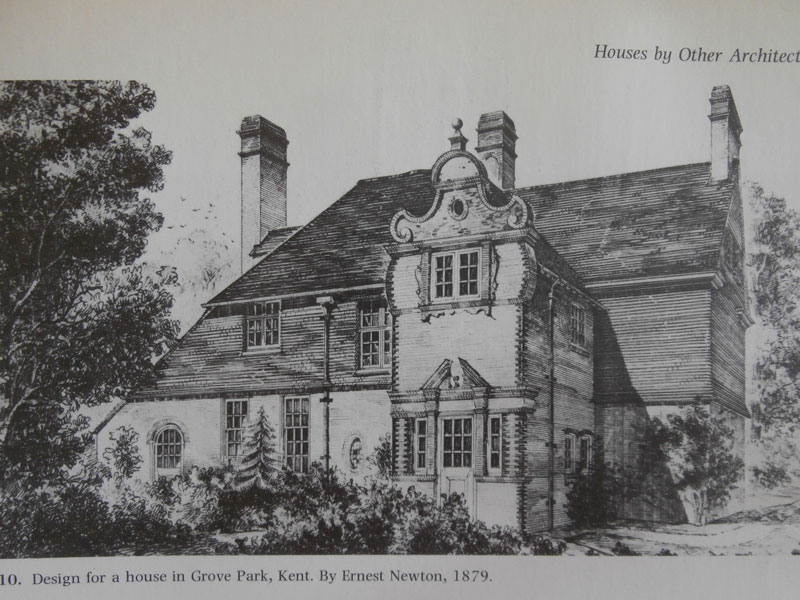
Grove Park House

Again, from the Chislehurst Societies page, we can find these local buildings by Ernest Newton (there were many more that are less local to the town):

  • 1888 Mission Church, Widmore, Bromley
  • 1891 St Luke’s Institute, Raglan Road, Bromley Common
  • 1891 238 Southlands Road, Bickley
  • 1898 Martins Bank, 181 – 183 High Street, Bromley
  • 1898 Shop, 179 High Street, Bromley
  • 1898 The Royal Bell Hotel, High Street Bromley
  • 1902 Nos 21 and 23 Page Heath Lane, Bickley
  • 1904 Spire, St Georges Church, Bickley Park Road, Bickley
  • 1920 Alterations to Bromley Palace, Widmore Road, Bromley
Posted in Arts And Crafts, Local Architects, Local History | Tagged , , | Comments Off on Arts And Crafts Movement in Bromley – Ernest Newton

High Street No. 160, Victoria Chambers, now Primark’s Annex – Heritage Building Profile

Victoria Chambers is a fine building from the 1890s in the Arts & Crafts style with its characteristic Dutch influence.

Continue reading

Posted in Arts And Crafts, HG Wells locations, High St & Market Sq | Tagged , , , , , | Comments Off on High Street No. 160, Victoria Chambers, now Primark’s Annex – Heritage Building Profile

Historic Architecture Talk on February 28th: Venue Change

Please note that the venue for Benedict O’Looney’s talk on historic architecture in south London has been changed to the Small Hall, Bromley Central Library (see below). Benedict will also speak about progress with the current plan to restore the Royal Bell hotel.

Royal BellBenedict O’Looney
Talk on 28th February 2019, 7:30pm: Small Hall, Bromley Central Library
‘Conserving and celebrating the historic architecture of South London’
Benedict will be able to give us an update on progress with the Royal Bell – also his experience in restoring and building new work around Peckham’s historic townscape and what was involved with the initiation of central Peckham’s conservation area
(£3 voluntary donation).

Posted in Archive | Comments Off on Historic Architecture Talk on February 28th: Venue Change

Press Release – 20-storey Tower over former Maplins at 66-70 High Street

BROMLEY CIVIC SOCIETY

Press Release

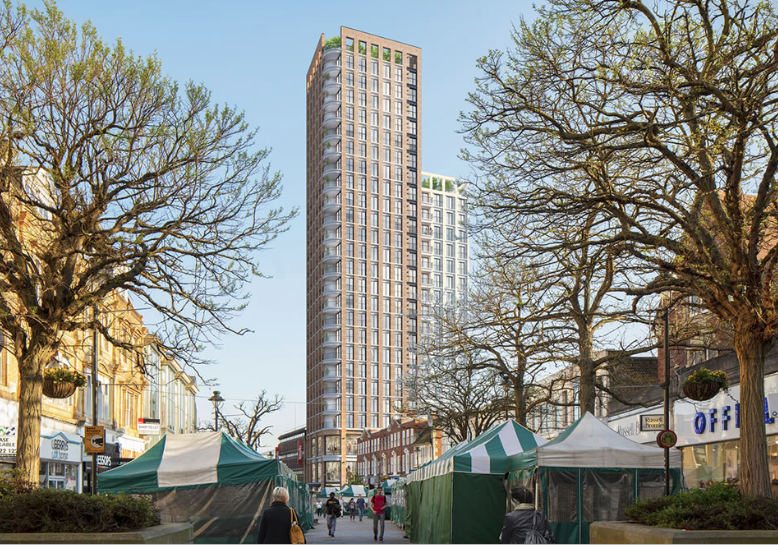
S2 Estates have put in an application for a 20 storey tower on the site of the former Maplins store.  Their supporting statement said that it felt it would help locals find the High Street.

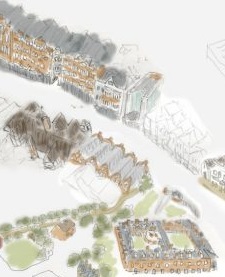
Like circling vultures waiting to pick the bones of our historic old town developers are being lured by the Council’s ill-conceived Masterplan and the Site ‘G’ designation for the redevelopment of the west side of Bromley High Street from the Library down to the railway and beyond.

Bookending what would be an army of tower blocks is the Council’s existing St Mark’s Square development, aka the ‘Titanic’, at one end and their proposed 15 storey ‘Churchill Quarter’ at the other now said to be Phase One of the Masterplan. This is still awaiting a decision and if approved will overwhelm Library and Church House Gardens and used to set the general height standard of the Plan.

Spurred on by this, S2 Estates, are now proposing a 20 storey High block rising straight up from the pavement where Maplin’s used to be. Ironically, the Masterplan sets aside this particular site as being ‘Buildings of townscape merit’ and is one of the few areas not earmarked for development.

The building proposed is also much higher than anything envisaged in the Masterplan. Tony Banfield, chair of the Bromley Civic Society said:

“Whilst the Masterplan has been condemned by the Ward Councillors as being destructive to the essential character of Bromley, this proposal, at 20 storeys on a clearly unsuitable site, goes above and beyond even that envisaged in the Masterplan. Councillor Peter Morgan, Portfolio holder for Renewal responsible for the Plan, has clearly unleashed a raging beast on our Town Centre environment. We hope and expect the Development Control Committee of the Council will refuse permission.”

This opportunistic proposal by S2 estates highlights the need for protection of the buildings deemed to be of architectural and townscape merit in the southern part of the High Street. These properties will be particularly vulnerable given all the development likely to take place around them. BCS have suggested in their response to the Masterplan that 66-70 High Street (formerly Maplins and adjacent properties) and 54-62 High Street (Laura Ashley and adjacent properties) should be included within ‘island’ extensions to the Conservation Area to give them long lasting and effective prevention. We hope that the Council will now see the merit in this and will go along with this suggestion.

It is not too late to have your say, there’s a feedback form at: https://highstreetbromley.co.uk/

The Masterplan can be viewed at www.bromley.gov.uk/downloads/file/3514/bromley_town_centre_site_10_masterplan

Posted in BCS news, Campaigns | Tagged , , | Comments Off on Press Release – 20-storey Tower over former Maplins at 66-70 High Street

Former Town Hall extension – Heritage Building Profile

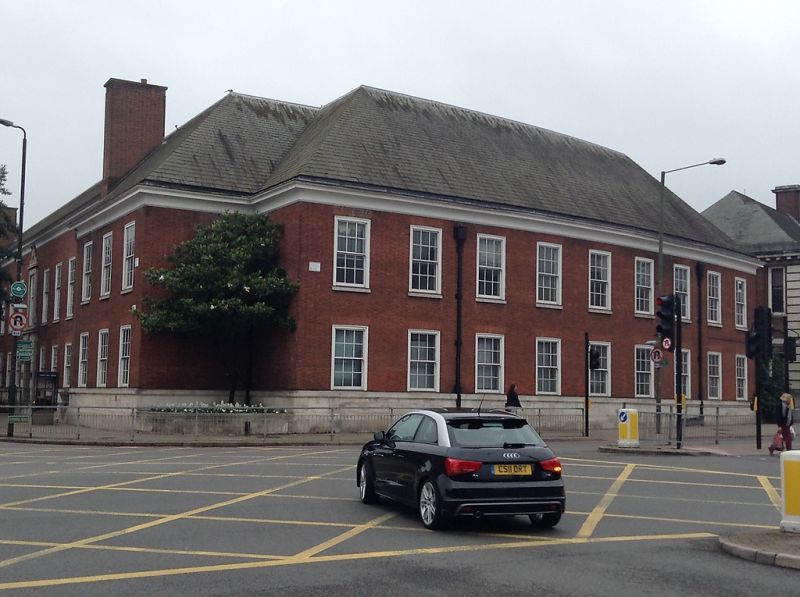
The neo-Georgian style former Town Hall extension (now Exchequer House) in Widmore Road, was built in 1938-39 and designed by Charles Cowles-Voysey (see wiki), well known for his work on town hall and public buildings in the 1920’s and 1930’s. He was the son of C.F.A. Voysey, one of Britain’s most influential architects of the Arts and Crafts movement.

blue-slate roofed 2-storey neo-georgian building

Neo-Georgian Town Hall Extension

This property has been sold by the council, and together with the 1907 former town hall next door, has a planning application (expected to succeed) to develop it into rentable office space:

Posted in Tweedy Rd | Tagged , , , | Comments Off on Former Town Hall extension – Heritage Building Profile

Former School of Art & Science (now the Clockhouse) – Heritage Building Profile

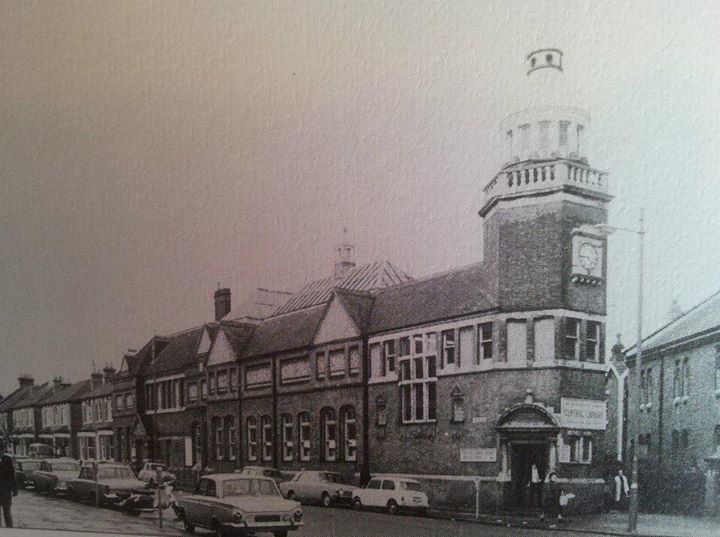
The School of Science and Art stands opposite the Edwardian Town Hall. The external relief terracotta panels include representations of science and art. The original building was designed by John Sulman and was built in 1878 by J C Arnauld at a cost of £3,000. The public opening included a display of the first working telephones ever made. The building was extended in 1894 to provide the town’s first library.

It was sold and converted into flats.

stylish copper green cupula on hexagonal tower

Cupola of the old Arts and Science college in 2006

In the 1960s


Posted in Tweedy Rd | Tagged , , | Comments Off on Former School of Art & Science (now the Clockhouse) – Heritage Building Profile

Former Town Hall – Heritage Building Profile

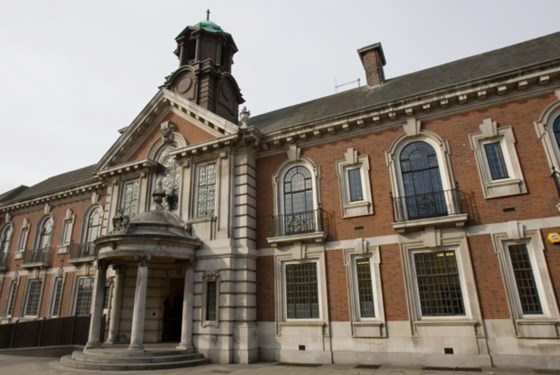
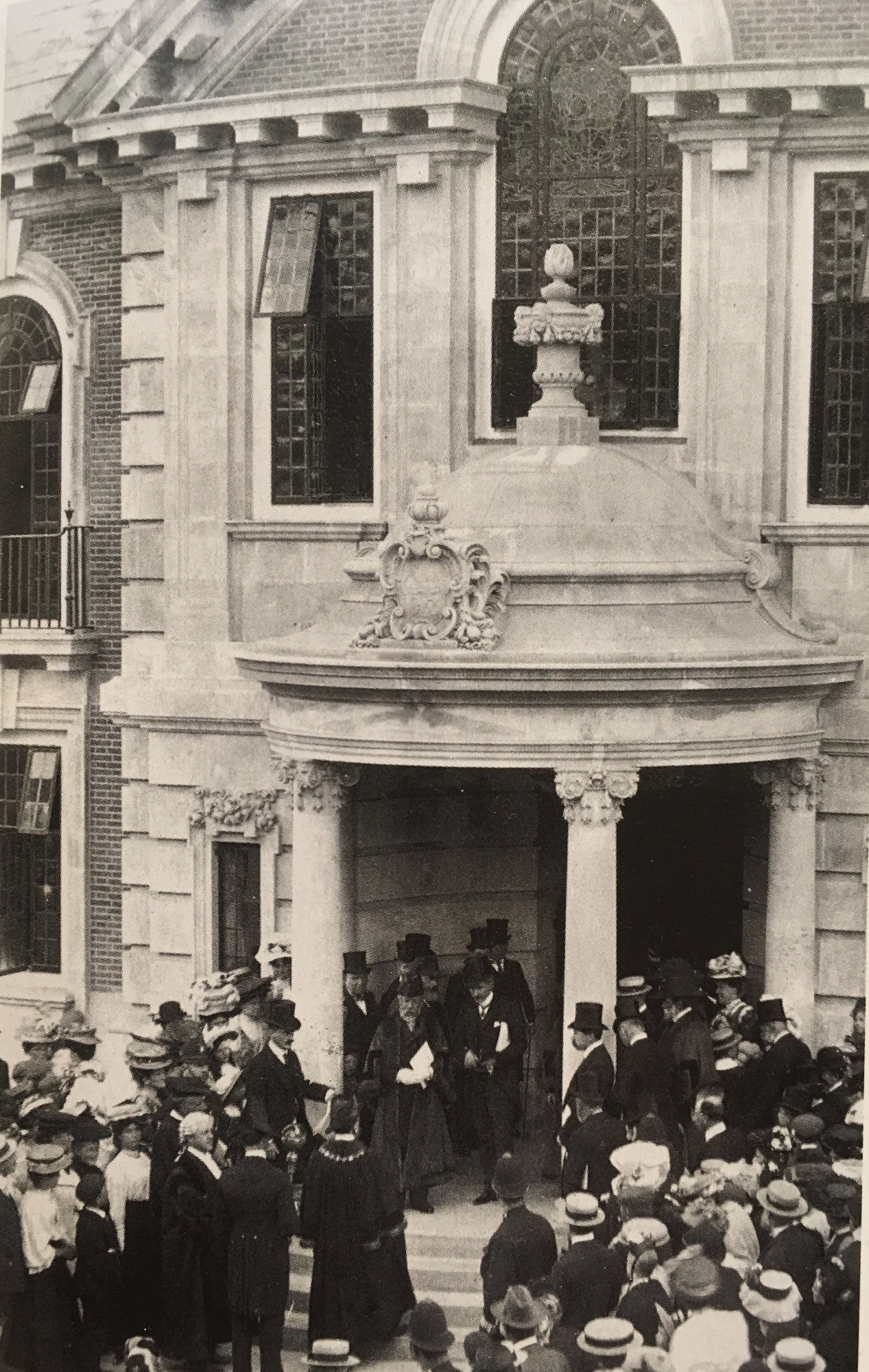
This former Town Hall in Tweedy Road was built in 1906 by R Frank Atkinson in a neo-Wren style. The hipped slate roof has a central cupola constructed in timber, set above a fine entrance porch.

slate roofed, brick with stone pointing, 2-storey with round columned porch

Neo-gothic style to recall Wren’s buildings.

The building was officially opened by Mayor Alderman R W Jones JP on 25 September 1907, the building cost £35,000 including furnishings.

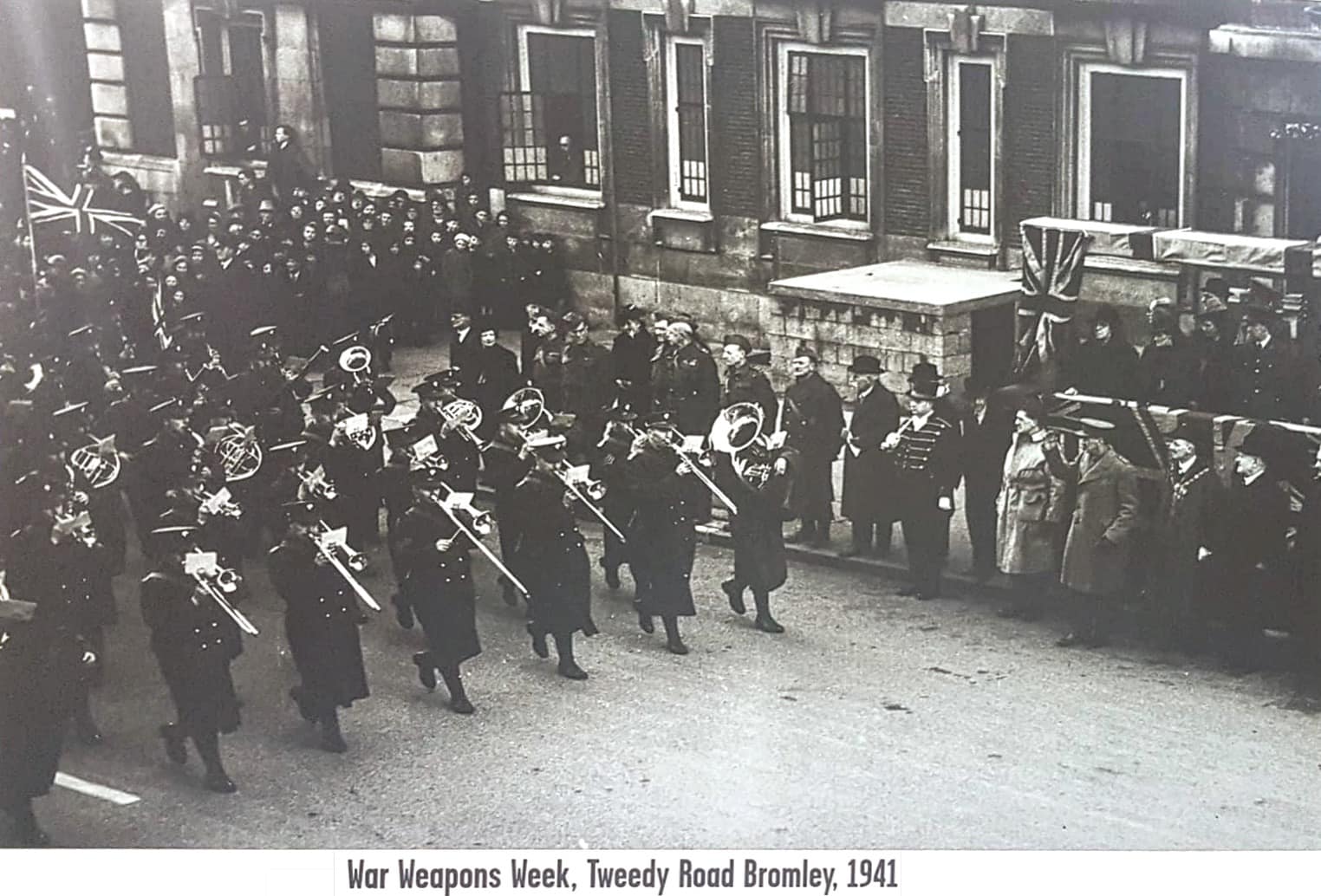
bandsmen marching past town hall

1941 Weapons Week outside the Town Hall on Tweedy Road

black dressed people at town hall portico

At the rear of the building is the barrel vaulted first Magistrates Court, with two cells underneath; when this proved insufficient for the growing town, they built the 1937 C. Cowes Voysey Magistrates Court on south street (now Community House).

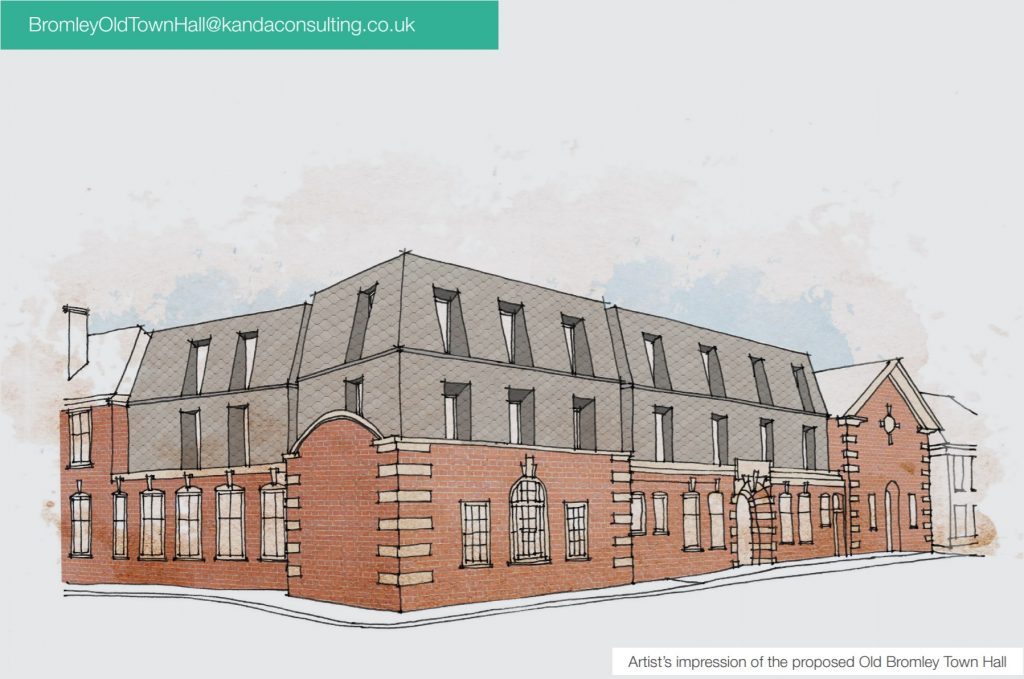
This building has been sold by the council (freehold), and CastleForge converted the building to make it into rentable office space:

Archive: Proposals for Old Town Hall, from the new owners

Posted in Tweedy Rd | Tagged , , , | Comments Off on Former Town Hall – Heritage Building Profile

Community House (former Magistrates Court) – Heritage Building Profile

The former Magistrates Court was designed in 1939 by the architect C Cowles Voysey and forms part of an identifiable group of public buildings with the Fire Station and the Town Hall complex.

Continue reading

Posted in the Cage Field triangle streets, named after compass points | Tagged , , , , , | Comments Off on Community House (former Magistrates Court) – Heritage Building Profile

Heritage Building – South Street 08: The Fire Station

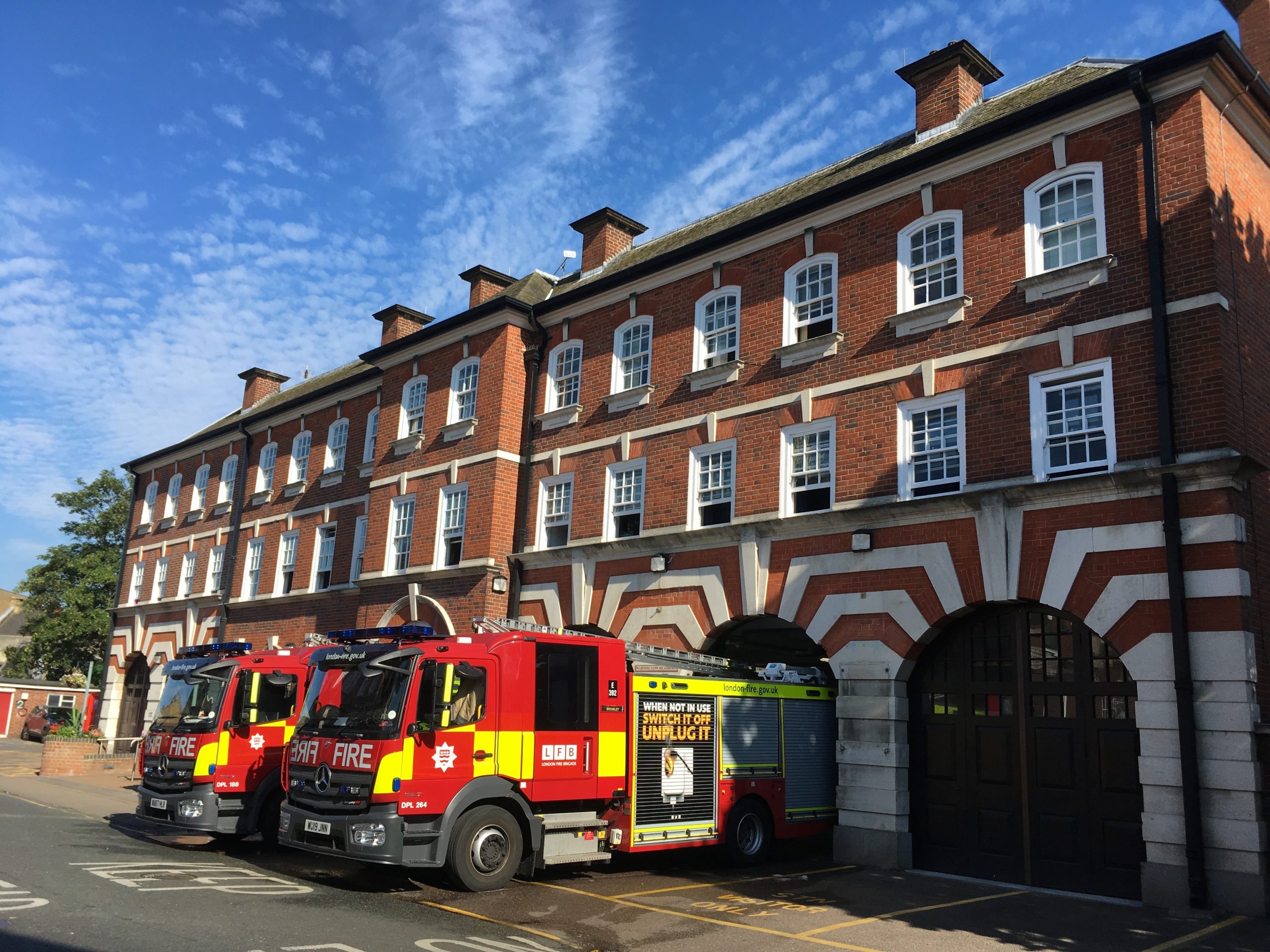
The Fire Station was designed by Stanley Hawkings, the Borough Engineer, and was completed in 1905 at a cost of £5,191 12s 6d.

A charming twist on the prevailing neo-georgian architecture of the time.

Fire engines outside station

Fire engines outside the station on South Street in 2019.

Before this the fire brigade was located on West street opposite Sainsburys.

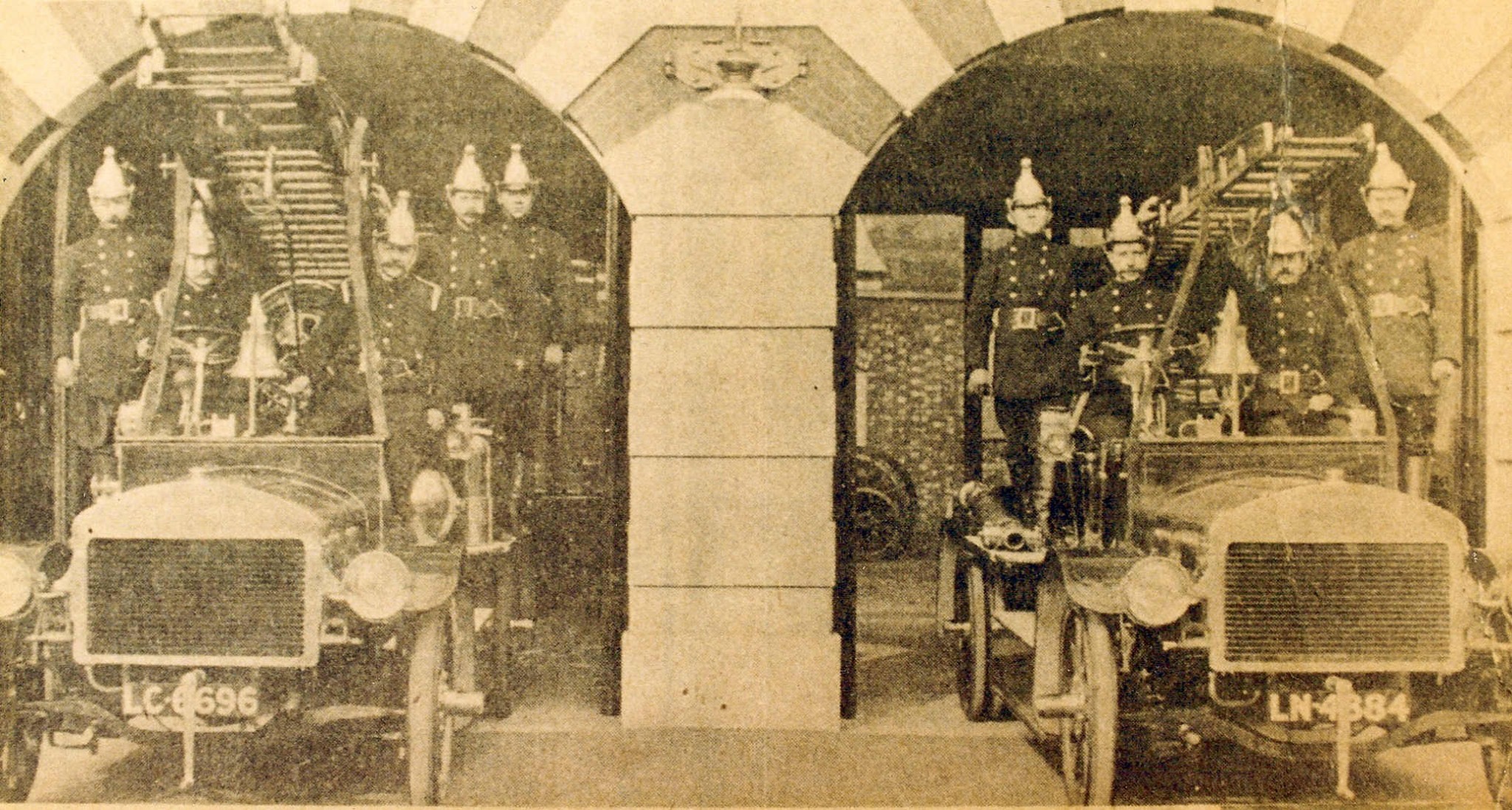
sepia photo of firemen, with fine helmets, under station arches

1911 – Bromley’s Mechanised Fire Brigade at their headquarters in South Street.

Posted in the Cage Field triangle streets, named after compass points | Tagged , , , , , | Comments Off on Heritage Building – South Street 08: The Fire Station

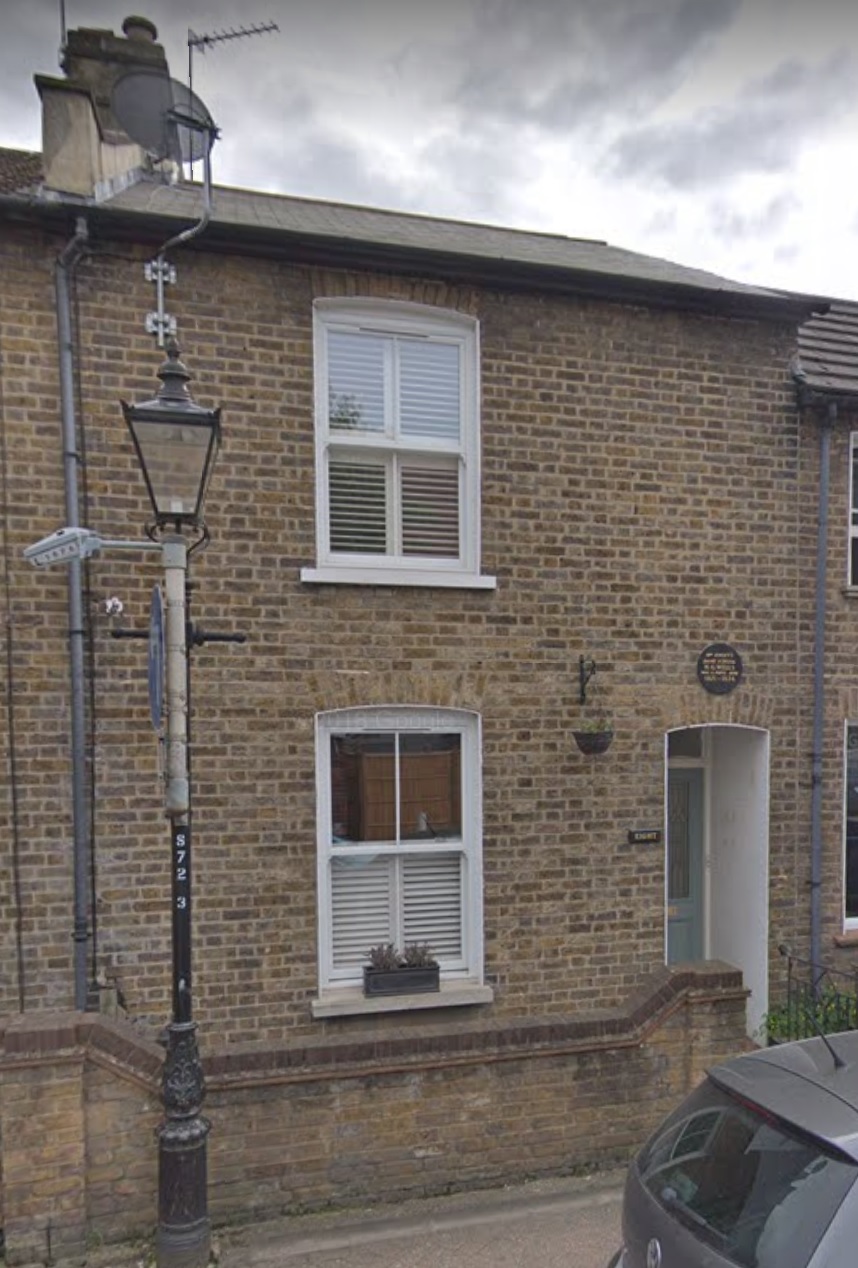
Number 8 South Street – HG Wells Dame school

Number 8 South Street, where HG Wells went to a Dame school

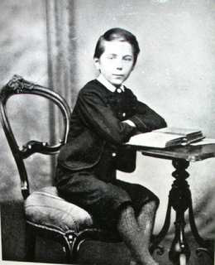
No. 8 South Street is where Mrs Knotts dame school was attended by a young H.G. Wells between 1871 and 1874.  In his autobiography, he describes it as “off with my brother Freddy (who was on no account to let go of my hand) to a school in a room in a row of cottages near the Drill Hall, kept by an unqualified old lady, Mrs. Knott, and her equally unqualified daughter Miss Salmon, where I learnt to say my tables of weights and measures, read words of two or more syllables and pretend to do summing — it was incomprehensible fudging that was never explained to me — on a slate“.

attentive boy of about 8 sat at a table with a book open

HG Wells at school age

We have more about HG Wells in Bromley at our page here.

Posted in HG Wells locations, Local History, the Cage Field triangle streets, named after compass points | Tagged , , , | Comments Off on Number 8 South Street – HG Wells Dame school