Heritage Buildings – West Street 03: former post office

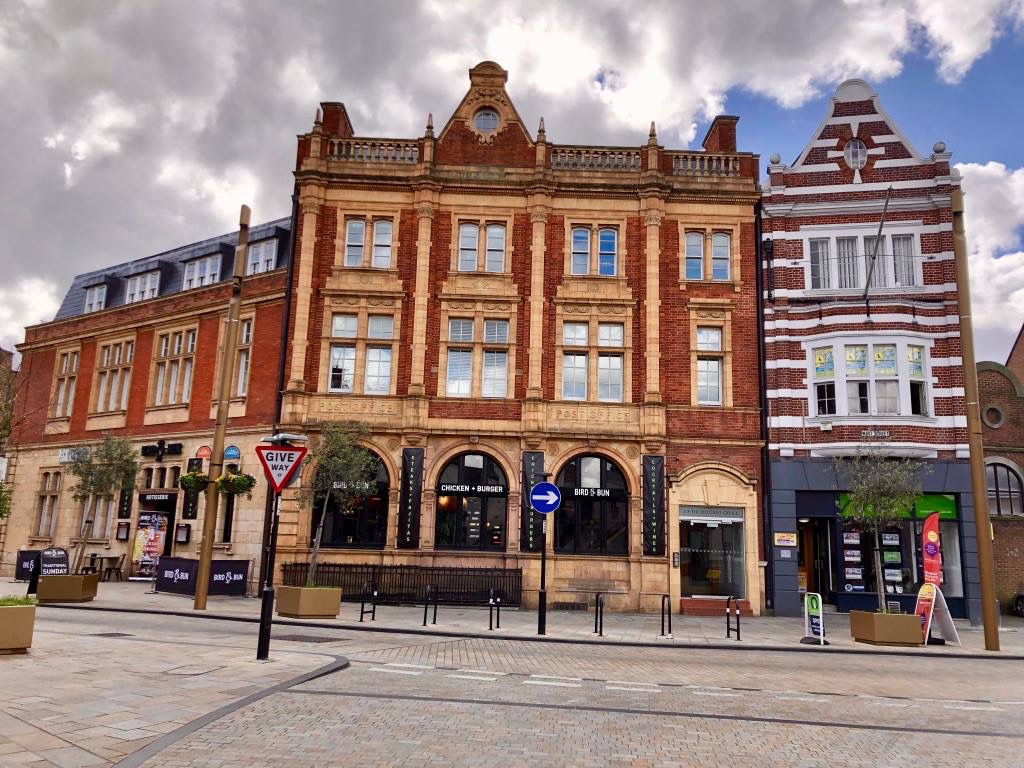
Fine brick building with stone ornamentation

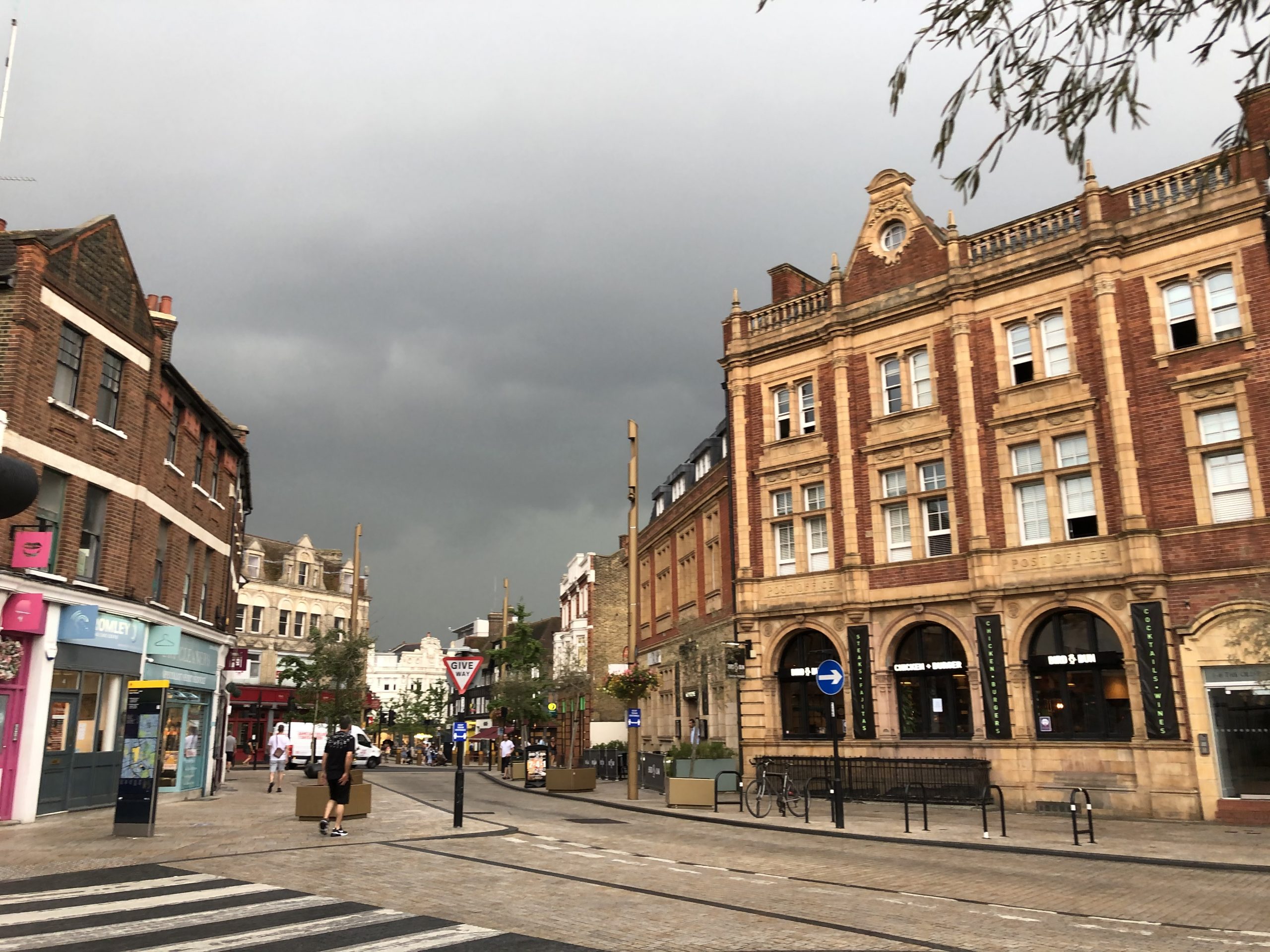
The Old Post Office in 2019, after it had been converted into flats. photo by Paul Ylaes.

Architect: Henry Tanner

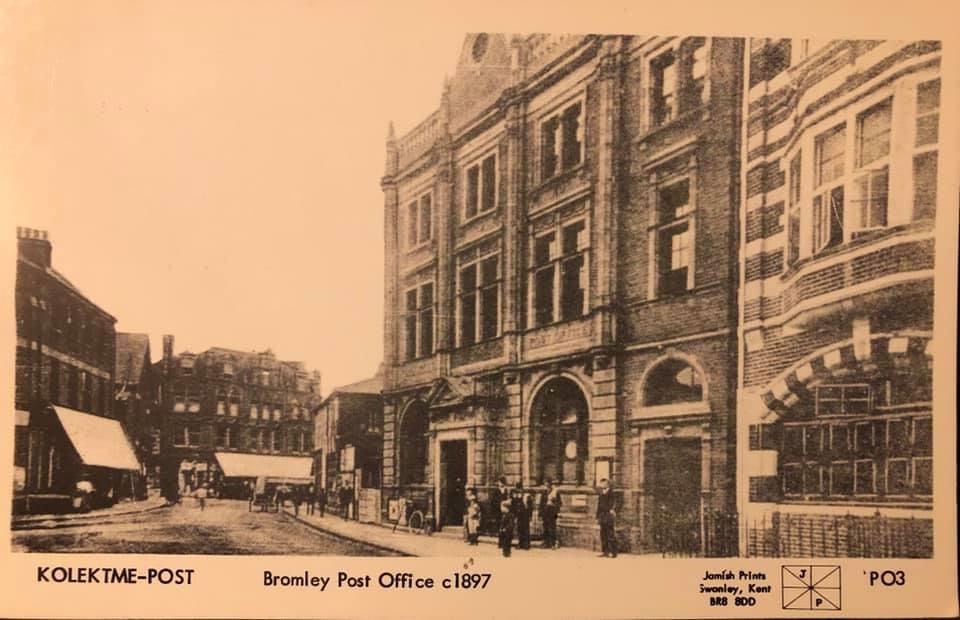
The former Post Office in West Street was completed in 1896, and like the David Greig building facing it across Market Square, uses prefabricated decorative ceramic faces – in this case, terracotta.  These facings were not just economic, but very fashionable as they were used in the Royal Albert Hall.  On the building is the monogram of Queen Victoria.  They occupied it in 1897.  The second building was added in 1913.

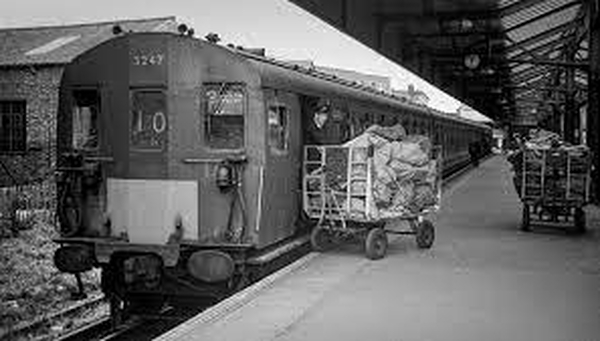
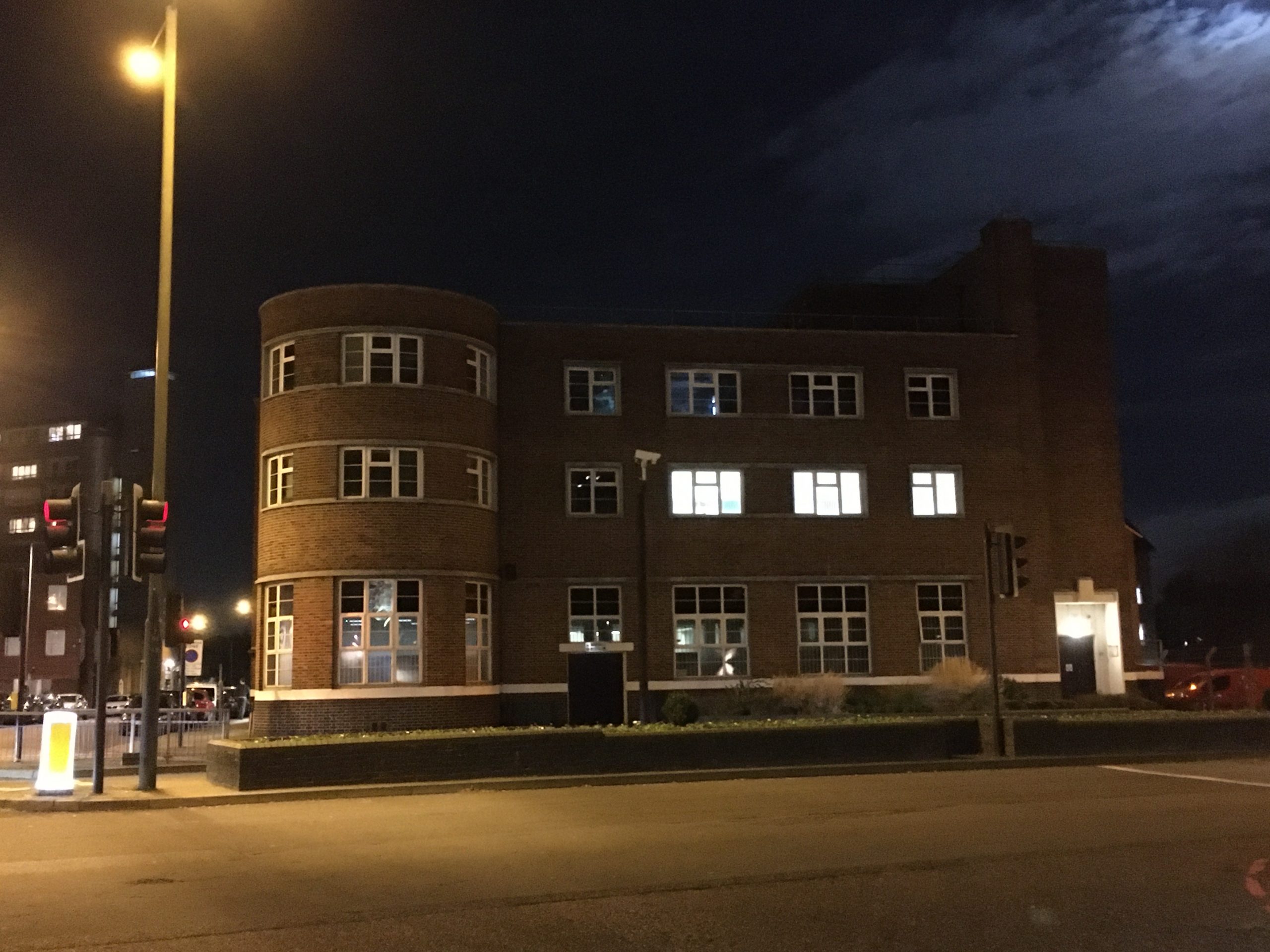
It was built when the previous premises in Market Square had become too small to cope with the rapid expansion of the town.  Later still a new building was built next to Bromley North station as the sorting office; in those days mail was sent on the branch line. 

More far-flung communities in Bromley did not get their mail delivered – for instance, Charles Darwin rode his horse to the post office, from his house near Downe village, on a weekly basis to collect his post.
Posted in the Cage Field triangle streets, named after compass points | Tagged , , | Comments Off on Heritage Buildings – West Street 03: former post office

No. 19 East Street (former Local Board)- Heritage Building Profile

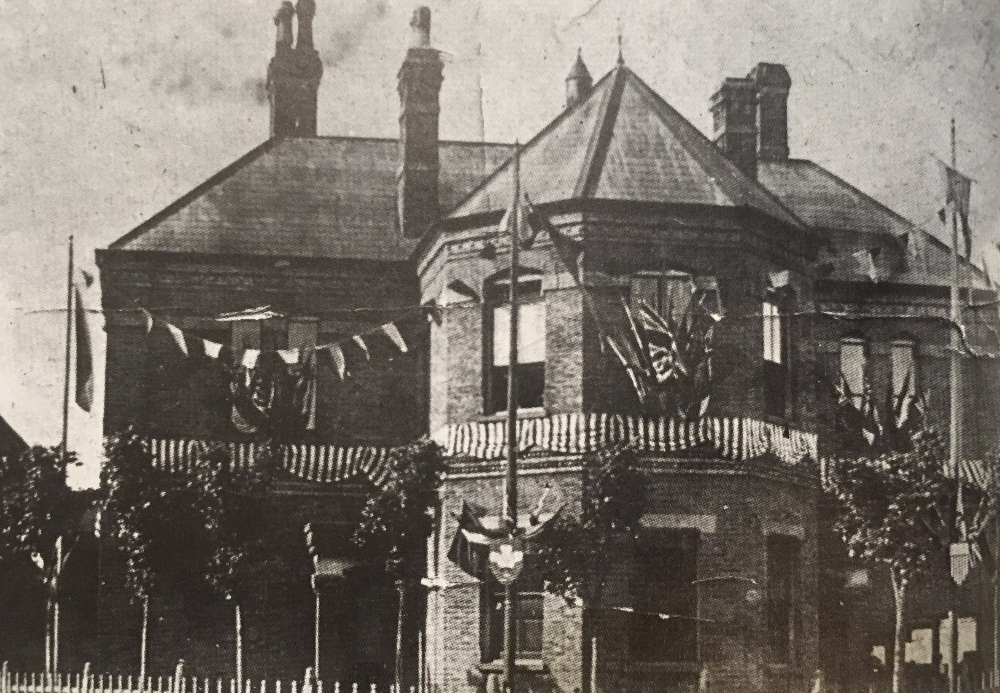
Number 19 East Street was formerly the offices of the Local Board (the first body of local administration in Bromley). It stood at the junction of East Street and West Street. The purpose of the local board was to provide such essentials as street lighting and an adequate sewage system for the town (the latter was not done especially well).
model 2-storey town building with large hexagonal bay window

19 East Street The Local Board building decorated for Queen Victorias Jubilee

.In April 2018:

whitewashed 2-storey building with large hexagonal bay window

19 east street

Posted in the Cage Field triangle streets, named after compass points | Tagged , , , | Comments Off on No. 19 East Street (former Local Board)- Heritage Building Profile

The Old Drill Hall (now O’Neils) – Heritage Building Profile

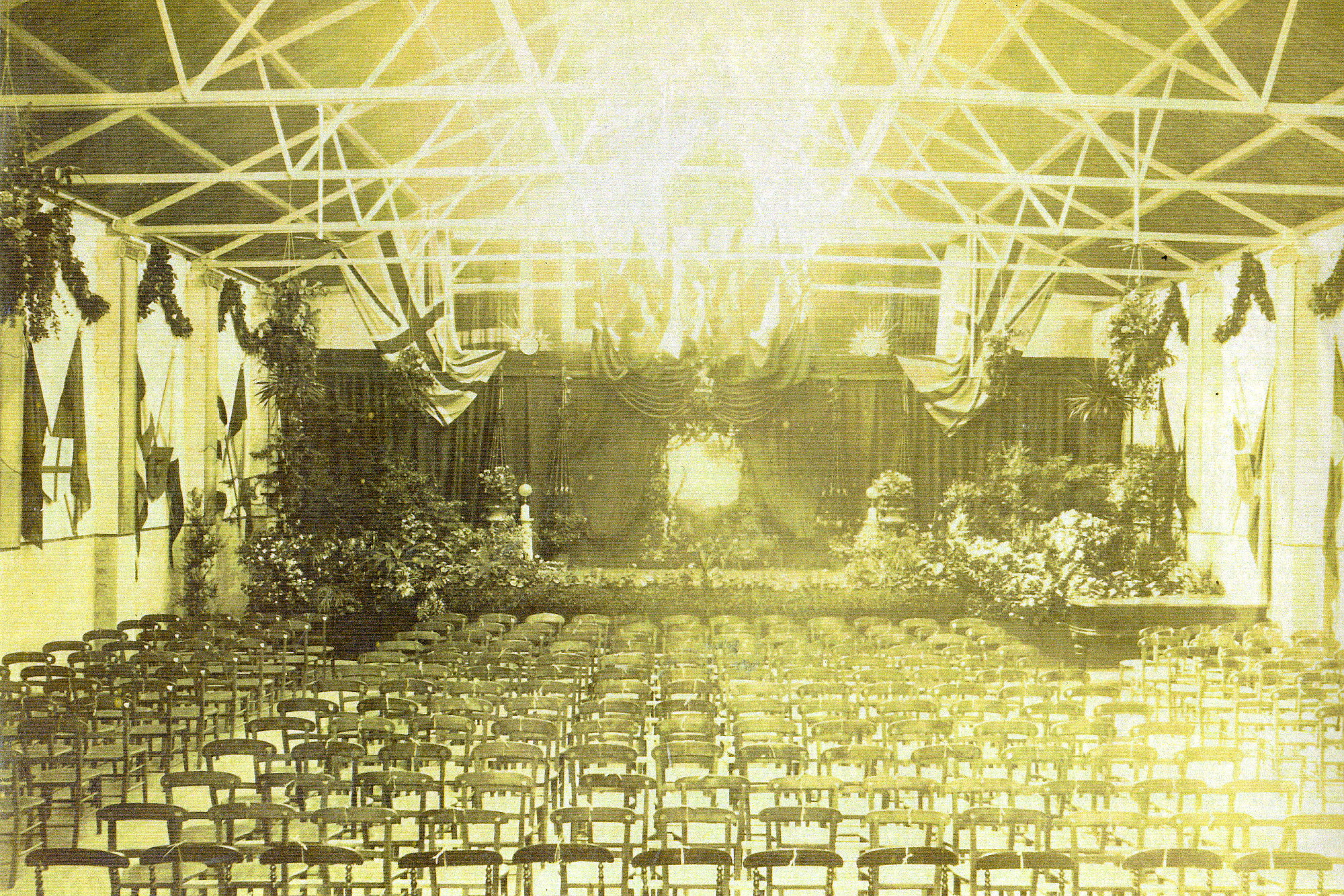
The Drill Hall, Nos 27-29 East Street, was opened in 1872 for use by the Bromley Volunteer Rifle Corps. Town celebrations and events were held here. It became a public house in 1997.

a street with soldiers assembled and people watching

1914 advance guard departing to Dover

Hall with decorated stage and lots of chairs

1872 Decorated for opening concert- when Sir Arthur Sullivan (Gilbert & Sullivan) played piano.

x


Posted in the Cage Field triangle streets, named after compass points | Tagged , , , | Comments Off on The Old Drill Hall (now O’Neils) – Heritage Building Profile

Bromley North Station – Heritage Building Profile

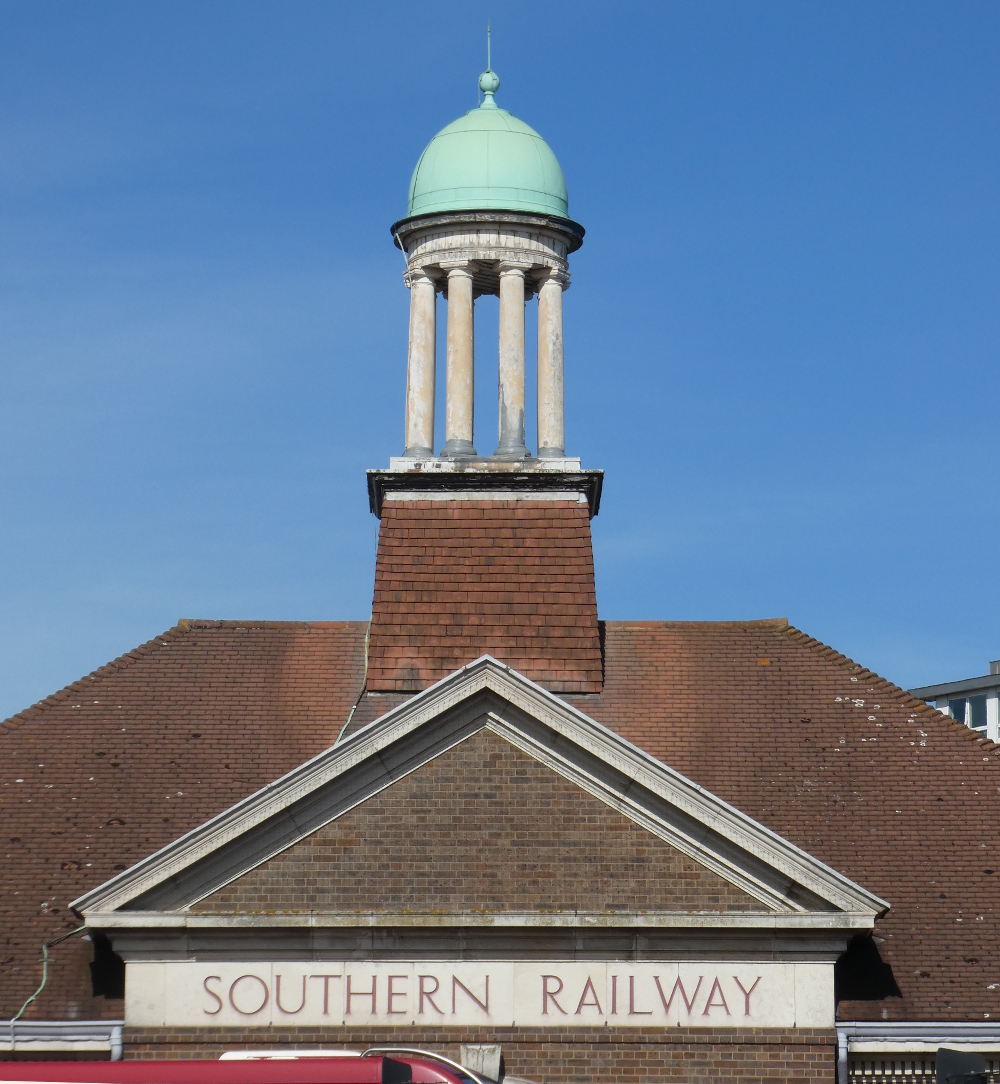
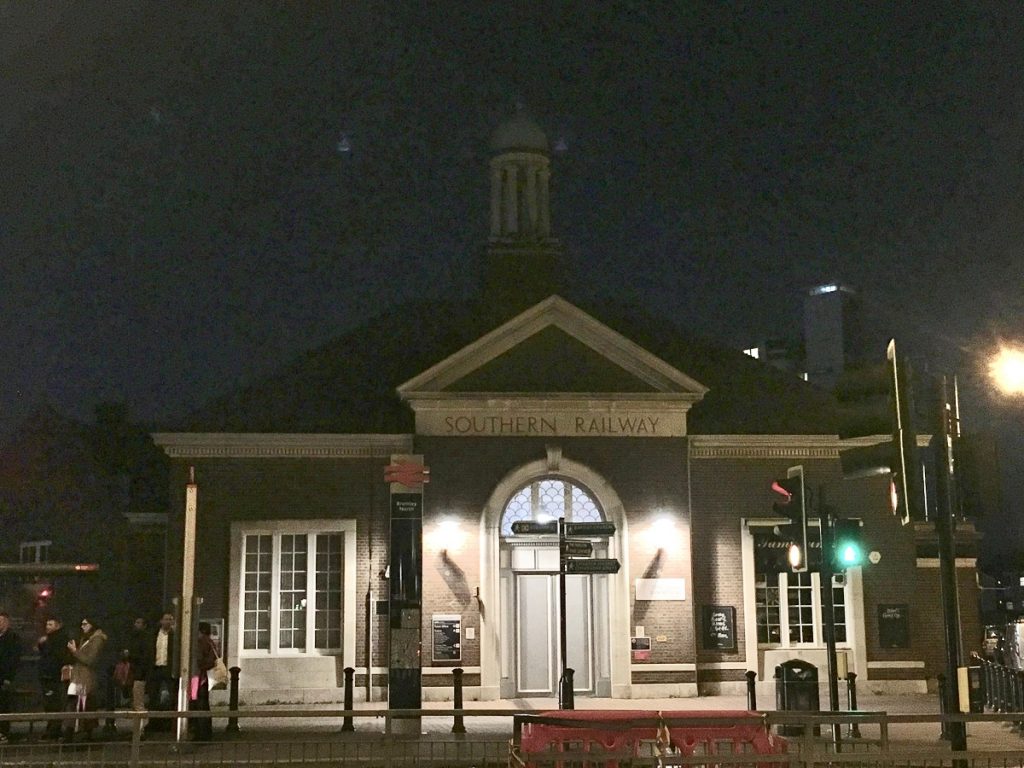
Sometimes called Bromley’s ‘Toy Town’ station.  The current building dates from when the station was rebuilt, in Neo-Classical style, in 1925.  The original timber buildings which formed Bromley North had become shamefully run down. 

It was designed by the Chief Architect of Southern Railway, James Robb Scott. This was just prior to the electrification of the line.  Charmingly, Wiki refers to it being 47 chains away from Charing Cross, here.

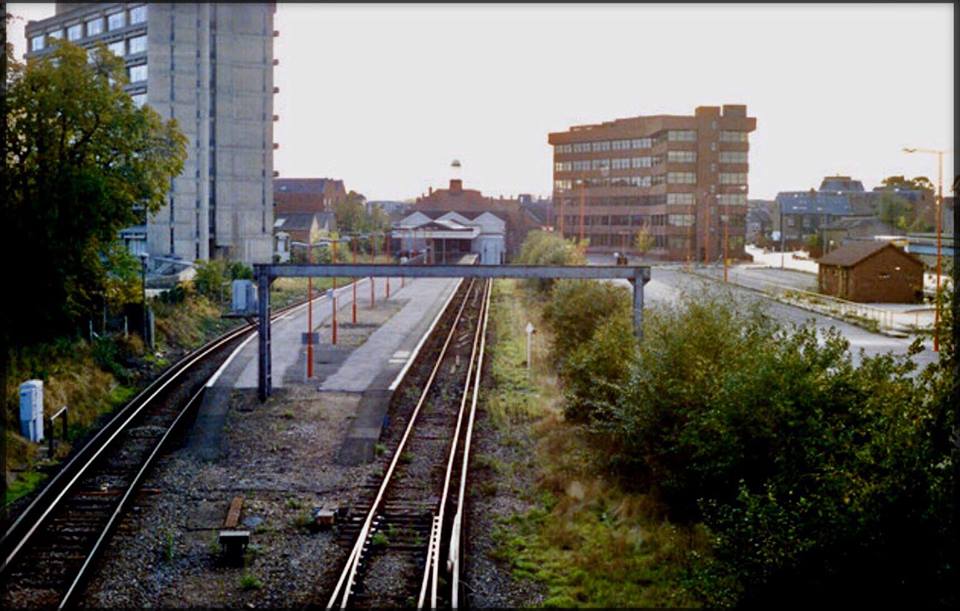
station yard with classical buildings on two sides

The original setting for the current station building.

The railway, both here and at Bromley South, altered Bromley’s existence as a market town. A population of 5,500 in 1861 had grown to 15,000 by 1881, and numbered 33,500 by 1911. By then Bromley had become an outer London suburb. 

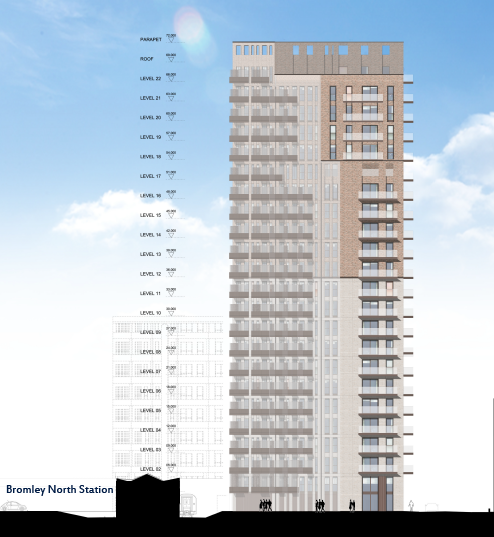
The land immediately behind the station has become a contested development site. 

Diagram of 20 storey tower next to 2 storey station

Beliving proposal scale drawing of their high rise next to the station.  After spending tax-payers money at appeal the proposal was refused.

This includes the bus station, former charter market site, car parks, and buildings down Sherman road to the right (when looking at the front of the station).  Originally allocated only about 300 housing units (in this case flats), each issue of the local planning documents had increased the number until it reached 525 in the 2010 AAP, which has been retained in the 2019 Local Plan.  This has given rise to a number of speculative high-rise proposals, which if/when built, would dominate the Town’s conservation area, and due to being on high land, a wide area around. 

Bromley North station. On the left is Sherman House (later to be re-purposed, re-clad and renamed Northpoint). Just to the right of the station is North House, replacing the matching 1925 wing of the station.
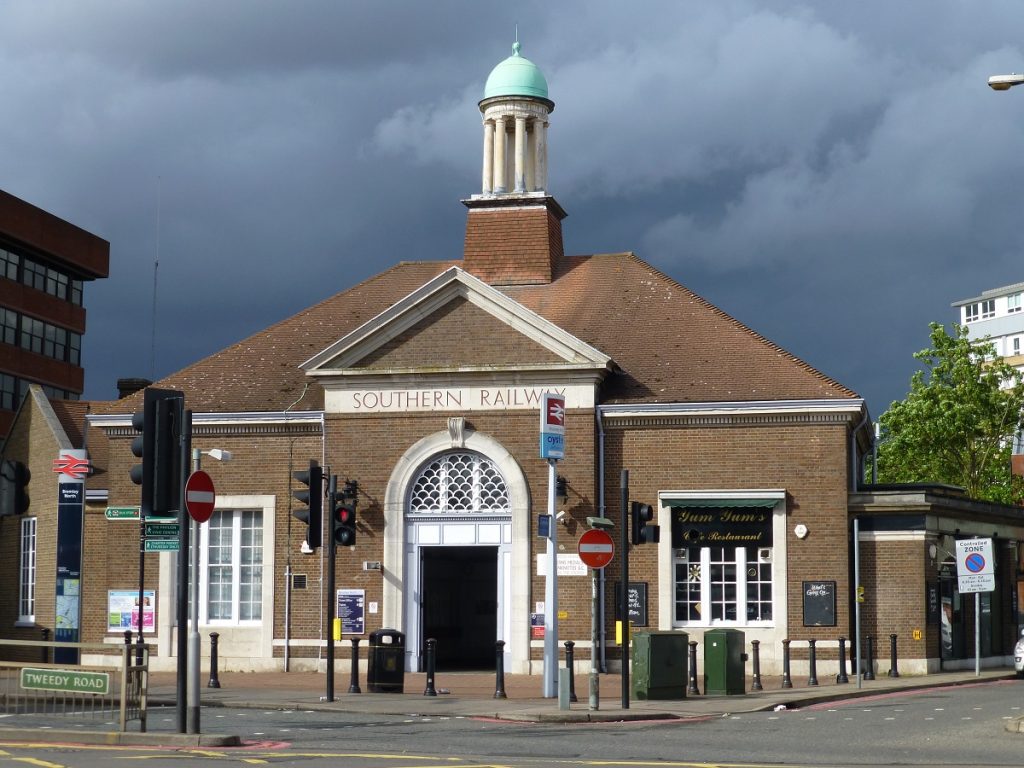
Neo-classical station with arched doorway and cupula
Bromley North station in Neo-Classical style.
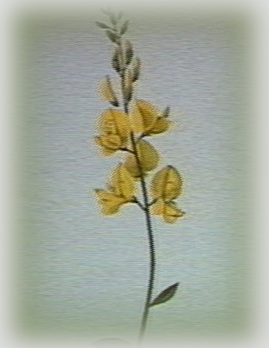
broom stem
Letter ‘R’ for our Easter Hunt game
Posted in the Cage Field triangle streets, named after compass points, Tweedy Rd | Tagged , , , , | Comments Off on Bromley North Station – Heritage Building Profile

The Railway Tavern Public House – Heritage Building Profile

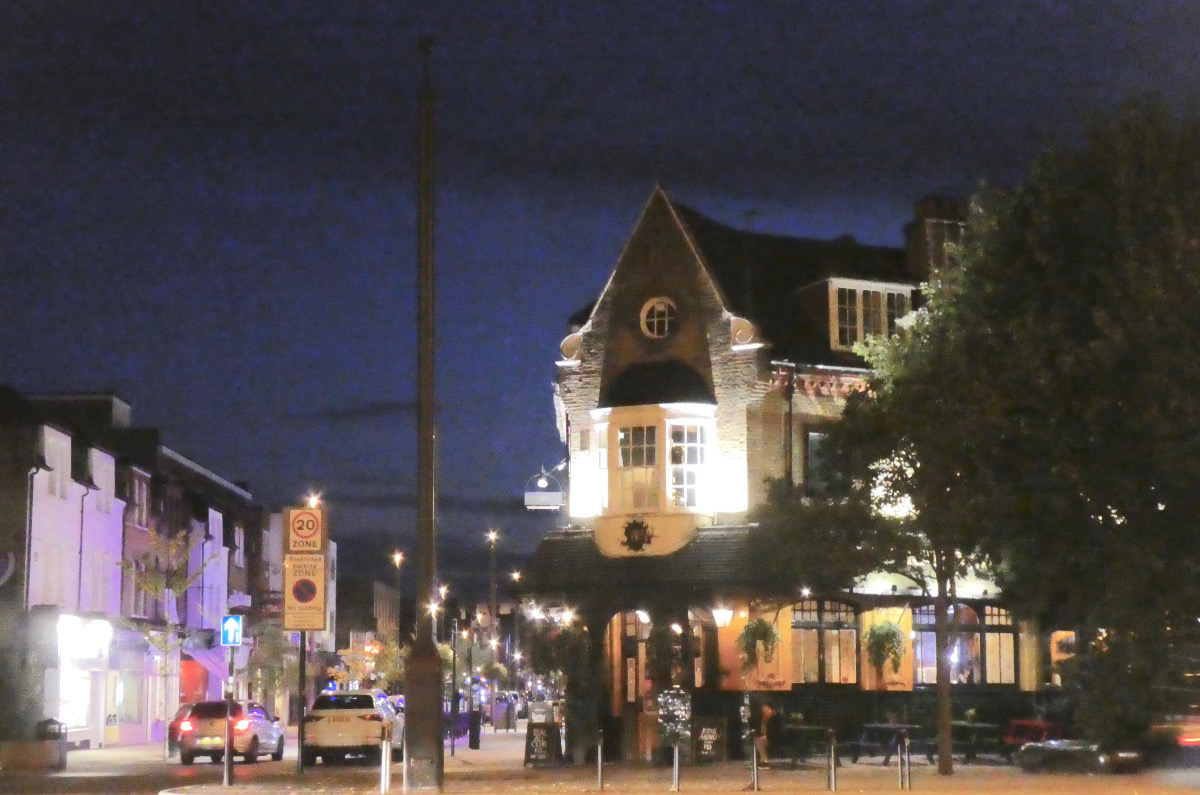
The Railway Tavern Public House was built in 1879, by Berney & Sons who also designed the Star & Garter public house in the High Street.

On the side facing the station, there’s a panel with the initials N & C for the brewers Nalder and Collyer. There are visual references to shells (from the heraldic device of the scallop shell for the Rochester Diocese) and the brewers can be seen in plaster motifs and terracotta panels. It stands opposite Bromley North Station.

Posted in Arts And Crafts, the Cage Field triangle streets, named after compass points | Tagged , , , | Comments Off on The Railway Tavern Public House – Heritage Building Profile

College Slip, K2 Telephone Box & College Green Pocket Park – Heritage

path with trees along wall
College Slip from the High Street

College Slip is the passageway which follows the old college wall. In the latter part of the 19th century it was still a country lane leading to open fields. The early 19th century cottage on the north side was the home of the nurseryman who grew his plants on the adjacent site. The nursery was originally purchased by the College in 1830 to prevent development of the site. This use continued until 1984 when the land was bought by the Council and named College Green. The rear of Bromley College can be seen across the Green.

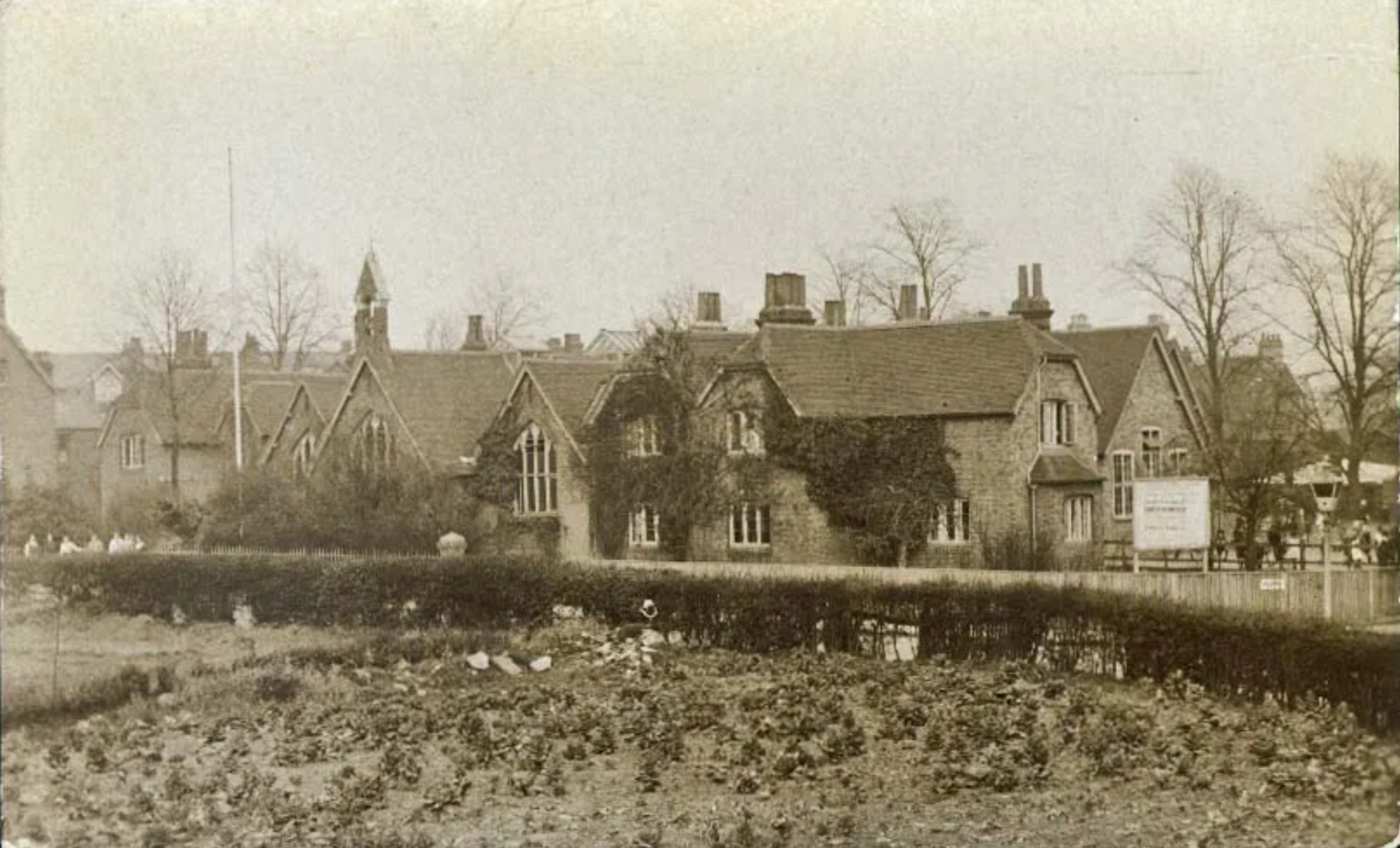
Opposite the park on the site now occupied by the Methodist Church, was the Grade II listed National School building of 1854. It suffered sudden weekend demolition as part of the Glades shopping centre project.

James R. Pocock of The Seedsmans Cottage

Field of brussel sprouts with gabled school behind
The Nursery with the gables of the Bromley National School Building (1854) behind.

James R. Pocock was a gardener and a bee-keeper. Horsburgh records that “he moved about 1892 to the little cottage in College Slip, renting the Nursery ground from the College trustees.

He was sexton to the Parish Church for several years, giving up the post because he disagreed with chanting the Litany on the grounds that one could not sing and at the same time call oneself a miserable sinner. ” He died on 24 August, 1909, and an obituary notice with a portrait can be seen in the Bromley Record for October, 1909 [BBHLS Bromley History Booklet 2]

K2 Telephone Kiosk – Heritage

Note the red K2 type telephone kiosk at the junction with College Road which dates from 1927 and is one of a series of cast iron kiosks designed by Giles Gilbert Scott, with a winning entry in a national competition (here) of 1924. Other cast concrete and cast iron kiosks by the same architect followed, culminating in the 1936 K6 series which were not superseded until 1968. Restored, these boxes sell for upwards of £20,000.

The later models had little rectangular windows, compared with the square ones that this kiosk displays.

College Green Pocket Park

College Green pocket park used to be a plant nursery attached to the 17th Century colleges.

Planter boxes first thing in the spring

The photos below are of college slip and the seedsman’s cottage:

Posted in Green Space, High St North | Tagged , | Comments Off on College Slip, K2 Telephone Box & College Green Pocket Park – Heritage

High Street No. 260-262, The Swan and Mitre – Heritage Building Profile

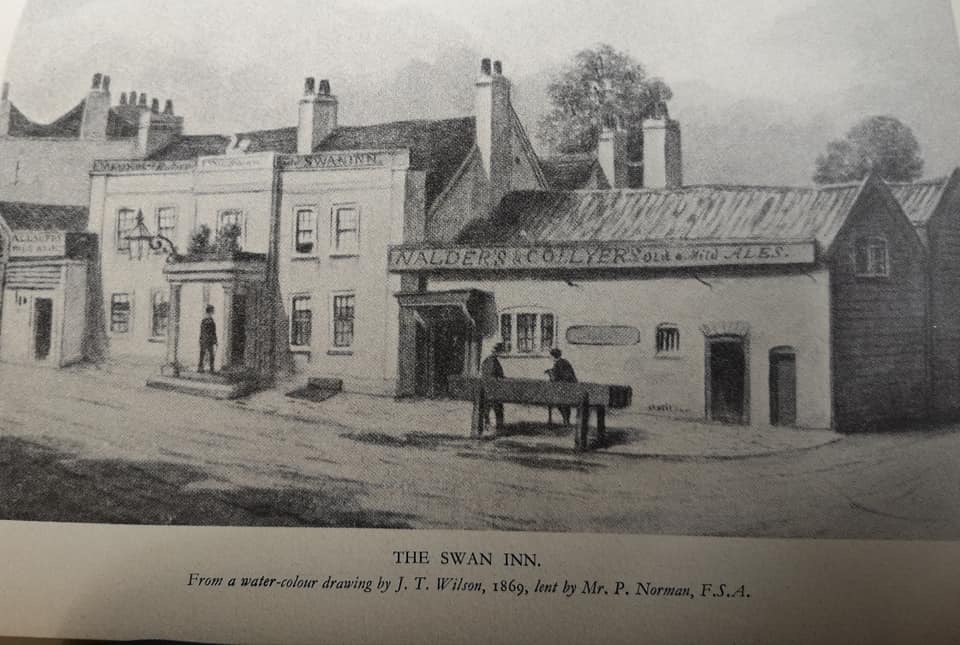
The Swan & Mitre is an old coaching inn, of uncertain date but at least early 18th century, which was popular with carters carrying farm produce and fish, resting on their journey to the London markets. It dates mainly from the early 19th century.  In older accounts it’s sometimes referred to, as just The Swan.

collection of 1 and 2 storey buildings

The Swan and Mitre

Swan & Mitre Pub is timber built with a Georgian brick frontage and portico. It is Grade II listed and of immense historical importance being one of the three coaching Inns upon which the town’s prosperity largely depended.

The interior contains decorative mirrors which once adorned the dressing room of the Music Hall artiste, Marie Lloyd. Until relatively recently a hanging sign depicted a swan and a bishop on a stage, a witty variant of the Actress and the Bishop joke in reference to the Bishop of Rochester’s endowment of Bromley College immediately opposite.

In 1855, John Harradine took over the Swan and Mitre, and he found a huge collection of crutches in the loft. They had belonged to those people who had badly needed them when they arrived in Bromley, to see Dr. Scott, but had no need of crutches when they left.

Posted in High St North | Tagged , | Comments Off on High Street No. 260-262, The Swan and Mitre – Heritage Building Profile

Walters Yard – Heritage

Until the end of the 18th century the east side of the High Street from The Bell Inn northwards, including part of the side of the college, comprised land called Grete House. This was a large private estate now covered by Walters Yard. During the Napoleonic Wars part of the area became known as ‘Prison Yard’. A temporary building on the site was used to hold French prisoners being marched through the country in the periods between 1797 and 1815. The yard is said to be named after John Walter, who ran a smithy which enjoyed a high reputation locally.

Posted in High St North | Tagged , , | Comments Off on Walters Yard – Heritage

198 High Street formally Pamphilons – Heritage Building Profile

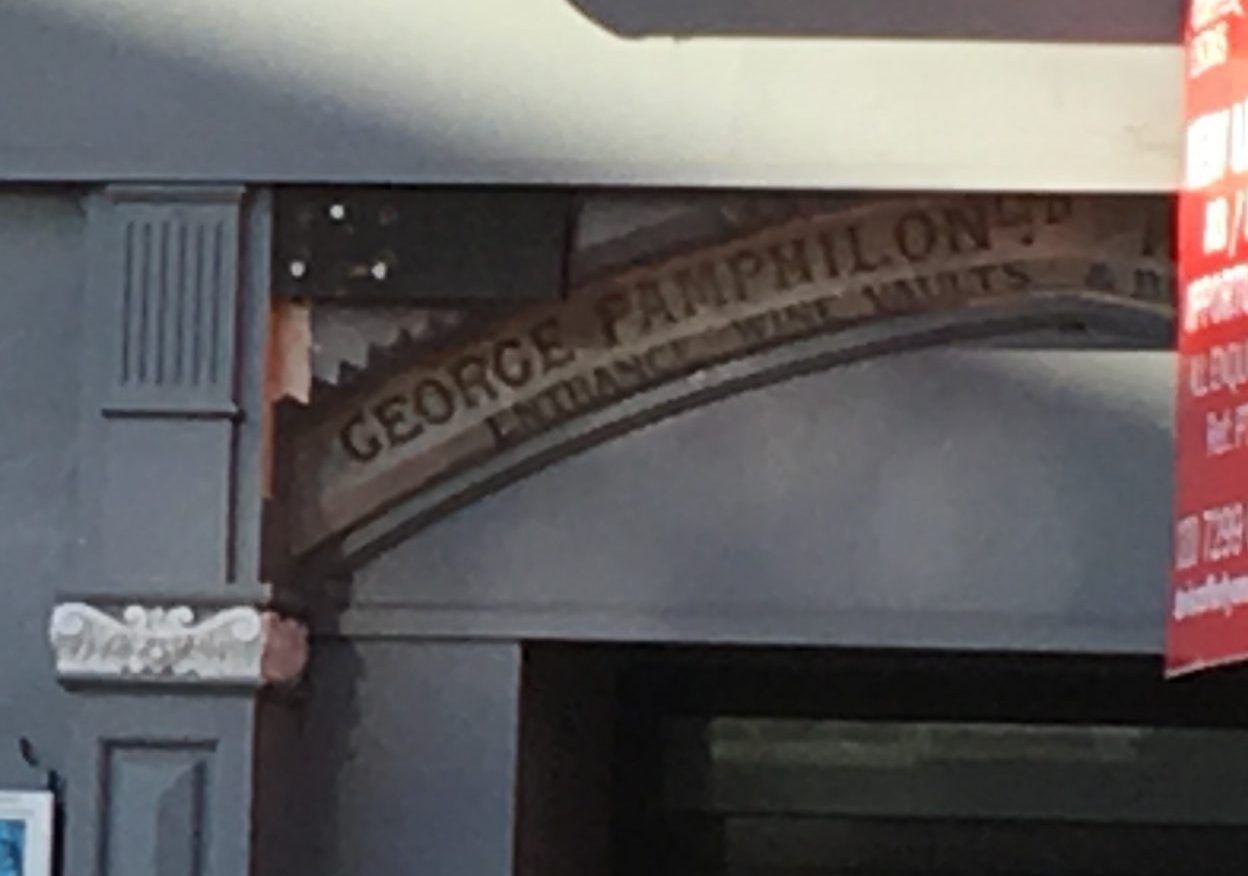
Nos. 196-198 High Street was a dwelling house which became used as a wine merchant towards the end of the 18th century. George Pamphilon became the owner in 1865 and in 1876 he rebuilt the premises. The timber shopfront reflects the design as it was in the 19th century. Note the lettering on the arch to the right and the grape detail on the pilasters. The building is being refurbished as a restaurant.

George Pampilons name in arch

George Pampilons name carved modestly in doorway arch

date in pillar decoration

Decorated pillar with date and bunch of grapes

The name Pamphilon is displayed above the right hand entrance which was formally an opening to an ancient rear courtyard of stables, incorporated into the main building in a few years ago, but suffered partial demolition in 2019 contrary to planning permission.

George Pamphilon was also an importer of Champagne from Epernay in France and this is celebrated in the carved bunches of grapes above the external columns (pilasters).

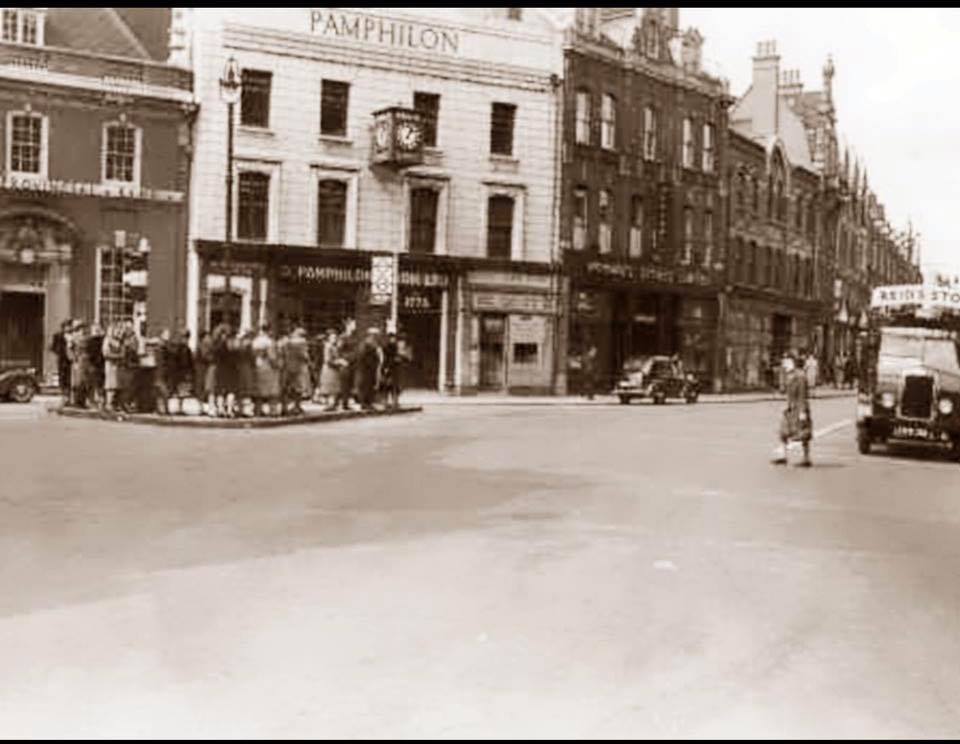
old street scene with 1940s ladies on traffic island
Traffic island bus stop and Pamphilon’s, thanks to Mary Walker
Posted in Arts And Crafts, High St North | Tagged , , | Comments Off on 198 High Street formally Pamphilons – Heritage Building Profile

194 High Street, the Partridge – Heritage Building Profile

The Partridge Public House stands at the junction of Church Road and was originally built for the National Provincial Bank in 1927 by architects Gunton & Gunton. It became a Public House in 1995.

This building is a superb example of the ‘Neo Georgian’ wing of the Arts and Crafts movement. Architects of this style were reviving architecture of the late Stuart period, so details of this building are similar to the Bromley College to the north, built 250 years earlier.

Posted in Arts And Crafts, High St North | Tagged , , , | Comments Off on 194 High Street, the Partridge – Heritage Building Profile