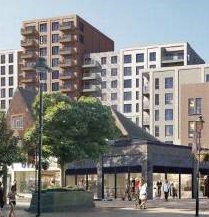
Glassmill Pond

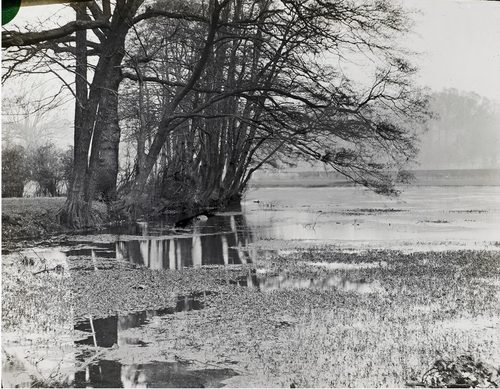
This mill pond is one of the stops in our heritage and biodiversity trail , the entry is here.

There were a number of mills recorded in the Doomsday Book along the River Ravensbourne in Bromley, but the only one that survived until the modern era is this one.

Paper. fulling.

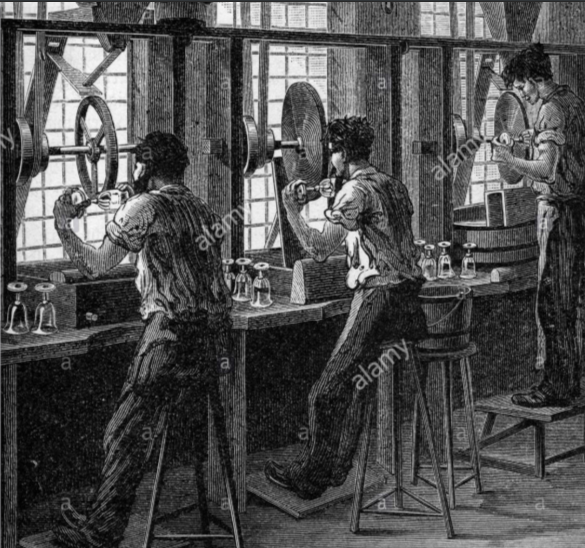
It is often called ‘Glass Mill Pond’ as there was a glass mill on the higher bank. It ground lenses for opticians glasses and optical instruments.

The mill also ground glass for scientific instruments.

The proprietor that electricuted his neighbour.

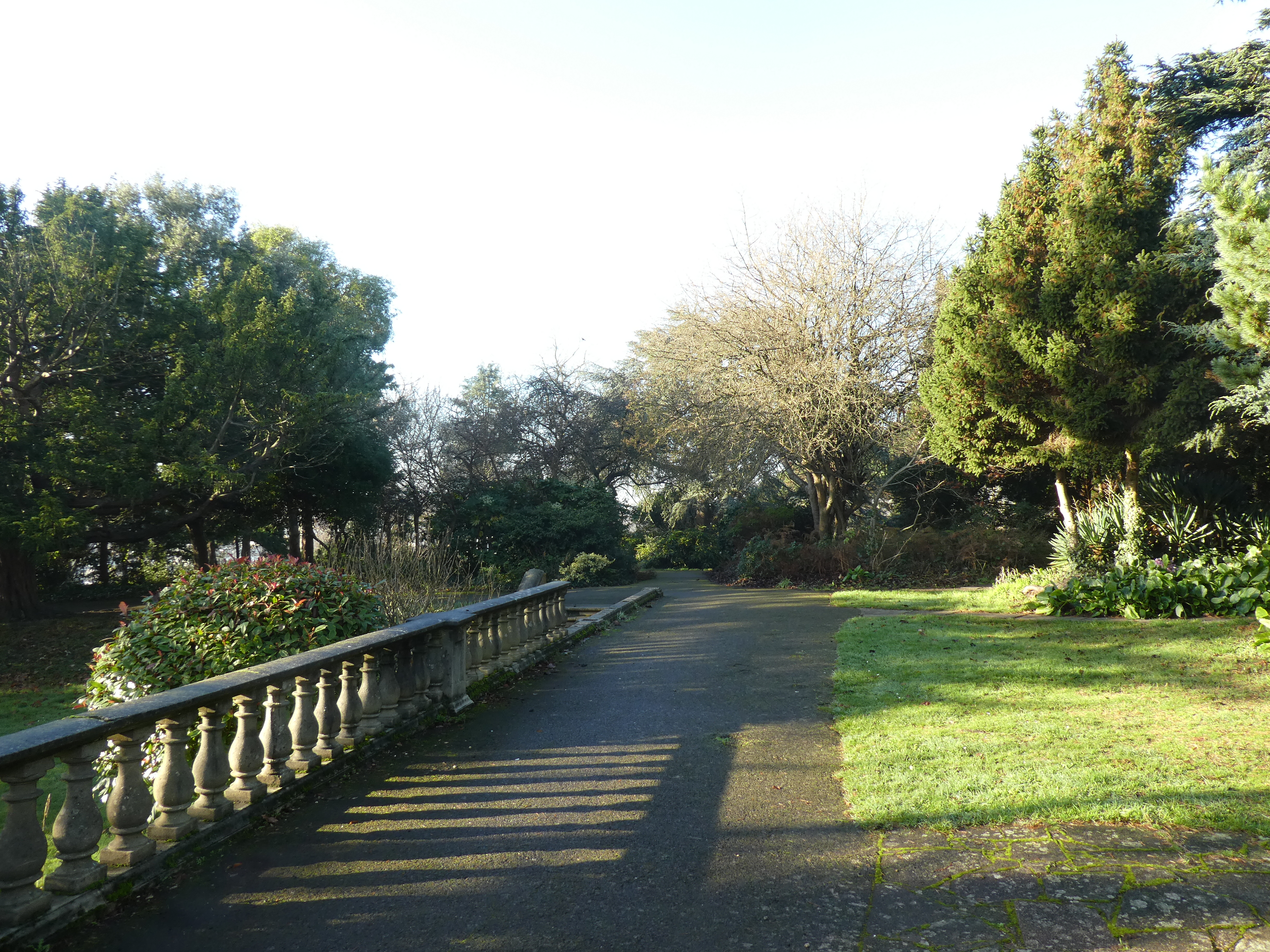
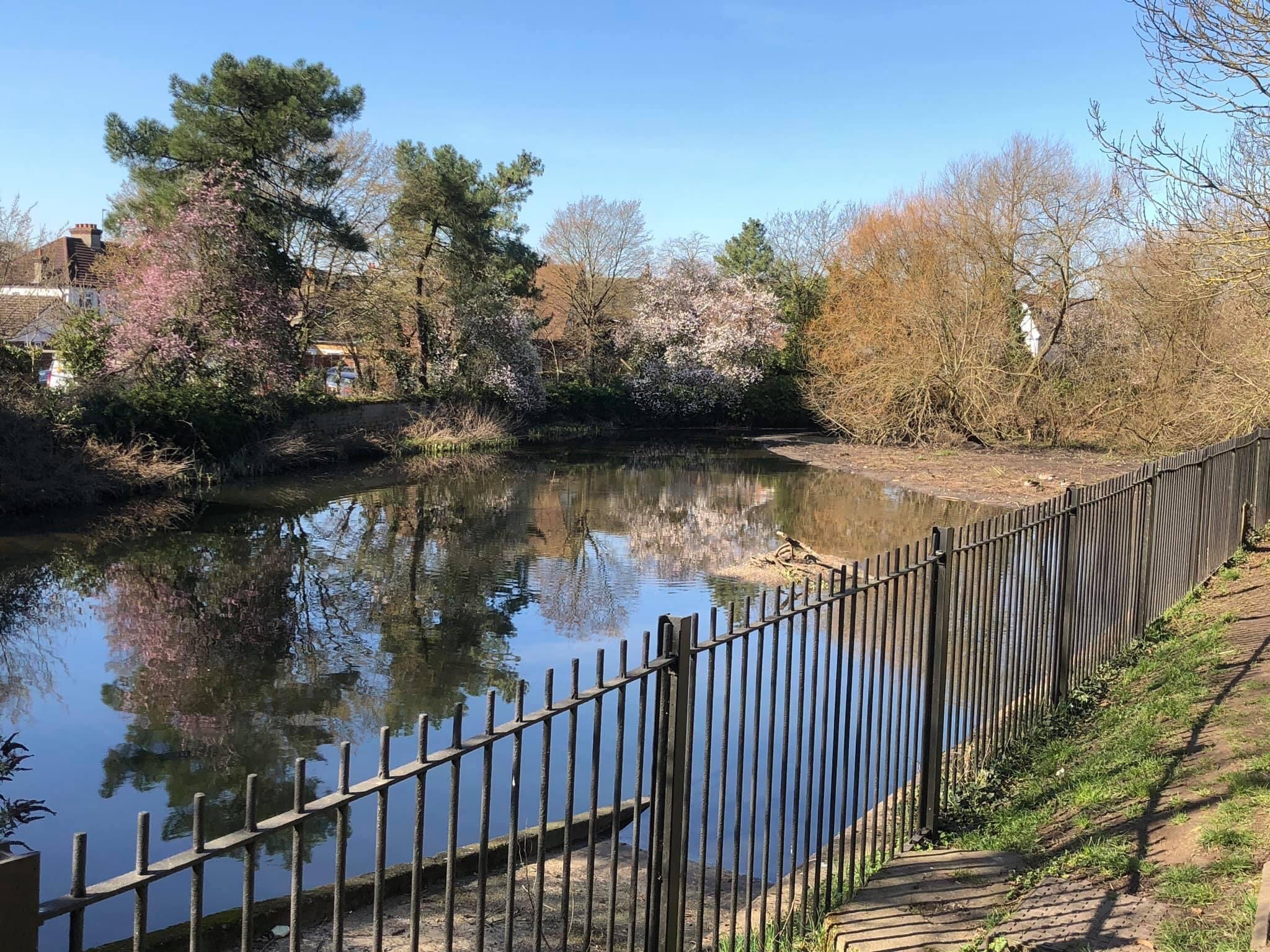
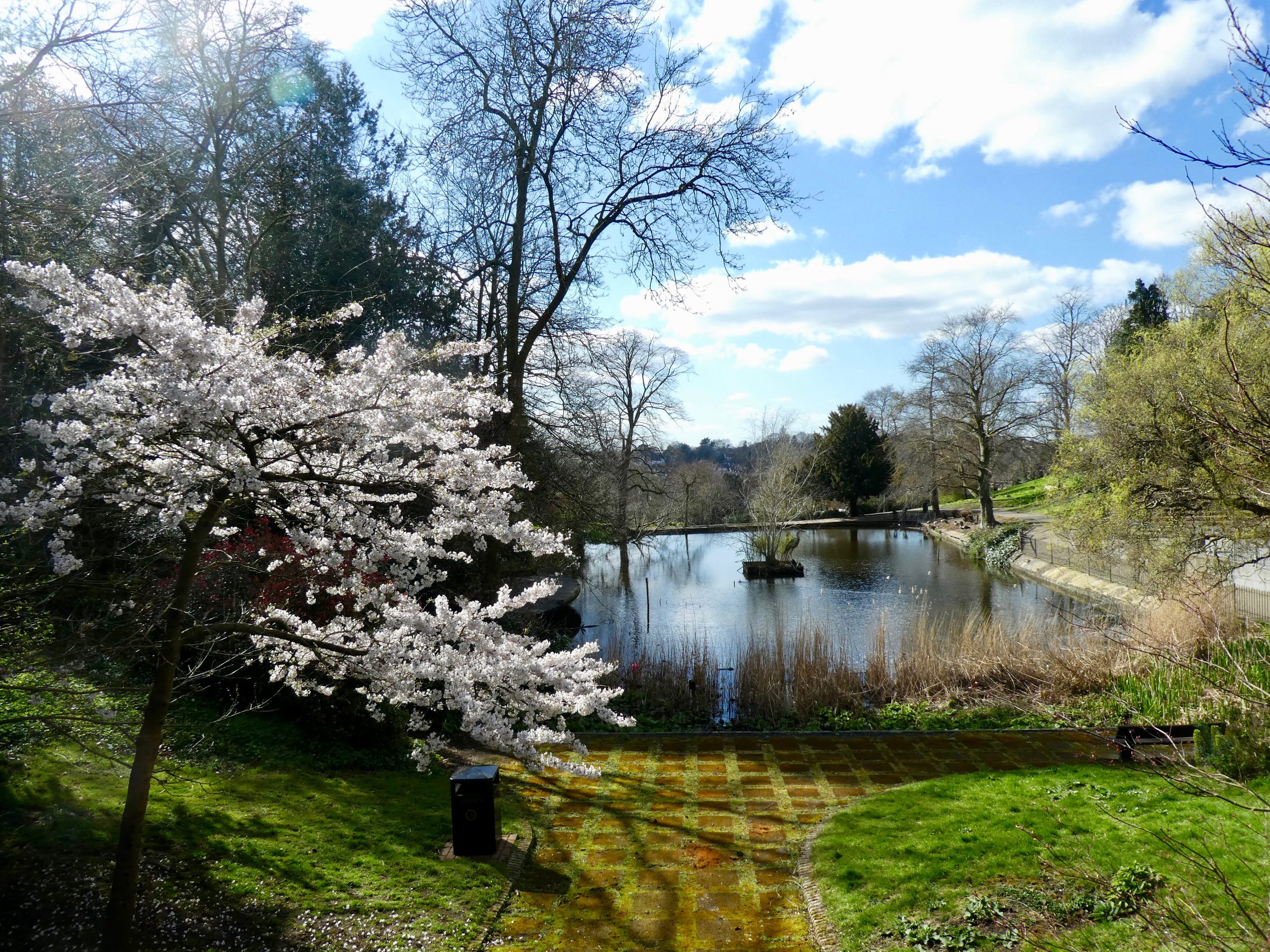
long fenced pond reflecting trees in bloom
The mill pond on a sunny day in March

The pond was remodelled in 2023 by Thames 21 which included recreating the pond, separated from the river by a bank, over which the river can wash when the water levels are high.

Posted in Green Space | Tagged , | Comments Off on Glassmill Pond

Bromley Town Centre Park Trail – Stop 4/2 (A pond for fish, model boats, people and now sand)

Previous | Next

Church House Gardens – From Fishpond to Yachting Pond to Paddling Pool to Delux Sandpit

Welcome to Church House Gardens and it’s historic features! This location is the second stop in this park for heritage and biodiversity trail around the green spaces in Bromley Town Centre.

an amoeba shaped walled enclosure with sand
The remodelled yachting pool, now a deluxe sand pit

There has been a terrace on the hillside here for 100s of years, and on the old tithe maps there was one of four fish ponds that stepped down the hill, on this level site (with 2 above and one below).

Fishponds, and their fish, were an important food source in the Medieval era.  This was especially true of religious households, and these ponds belonged to the Lord of the Manor, the Bishop of Rochester. Meat was not eaten in observant Christian households for over 150 days a year, so fish was important – see the entry for the Moat in Bromley Palace Park (here). 

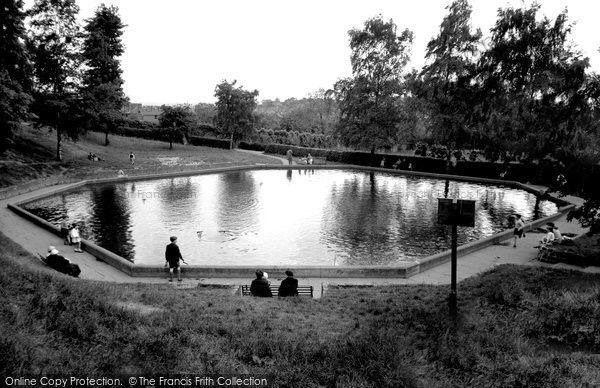
An black and white photo of an octagonal yachting pool
Church House Gardens yachting pool in 1957

In the late Victorian times the pond was converted to an octagonal pool for sailing model yachts. This became a popular pastime with the Model Yacht Sailing Association being formed in 1876 and the London Model Yacht Club (using the Round Pond in Kensington Gardens) being founded in 1884.  This pool was built in the 1930s as a work scheme. It was a popular venue for local children to sail the boats they had built, with various companies also providing boats and yachts in model kits.  There is one surviving boat-sailing-pond on the River Cray at Fordcroft (the bottom of Poverest Road) in Orpington (BR5 4BQ). It is drained every winter and the fallen leaves removed. There are still model-boat sailing clubs to be found, for instance in Leonardslee, Sussex.
Another Fact

The exceptionally heavy rains meant that, not just was this little valley flooded, but so did everything downstream – this is remembered as the Great Lewisham Flood

River Ravensbourne downstream, flooding Lewisham

In 1968 there was a cloudburst over Bromley and Lewisham (and the surrounding area) and the resulting floods are still remembered as The Great Flood of Lewisham and the Lewisham Underwater project. The ponds above this terrace flooded and overflowed, washing the bank down.

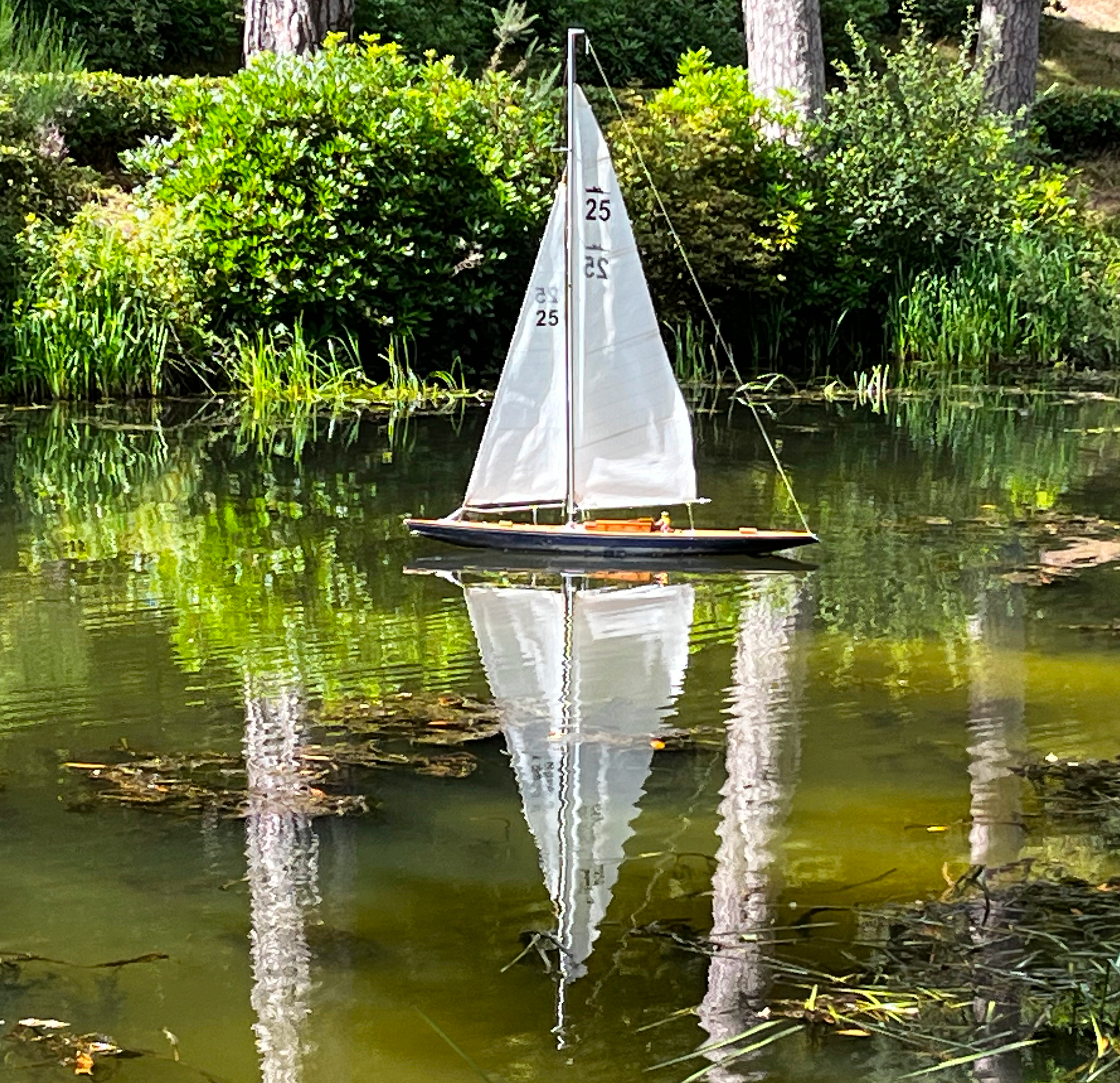
a large model yacht with two while sails
One of the larger model yachts being sailed at Leonardslee, Sussex. The rudder is radio-controlled.
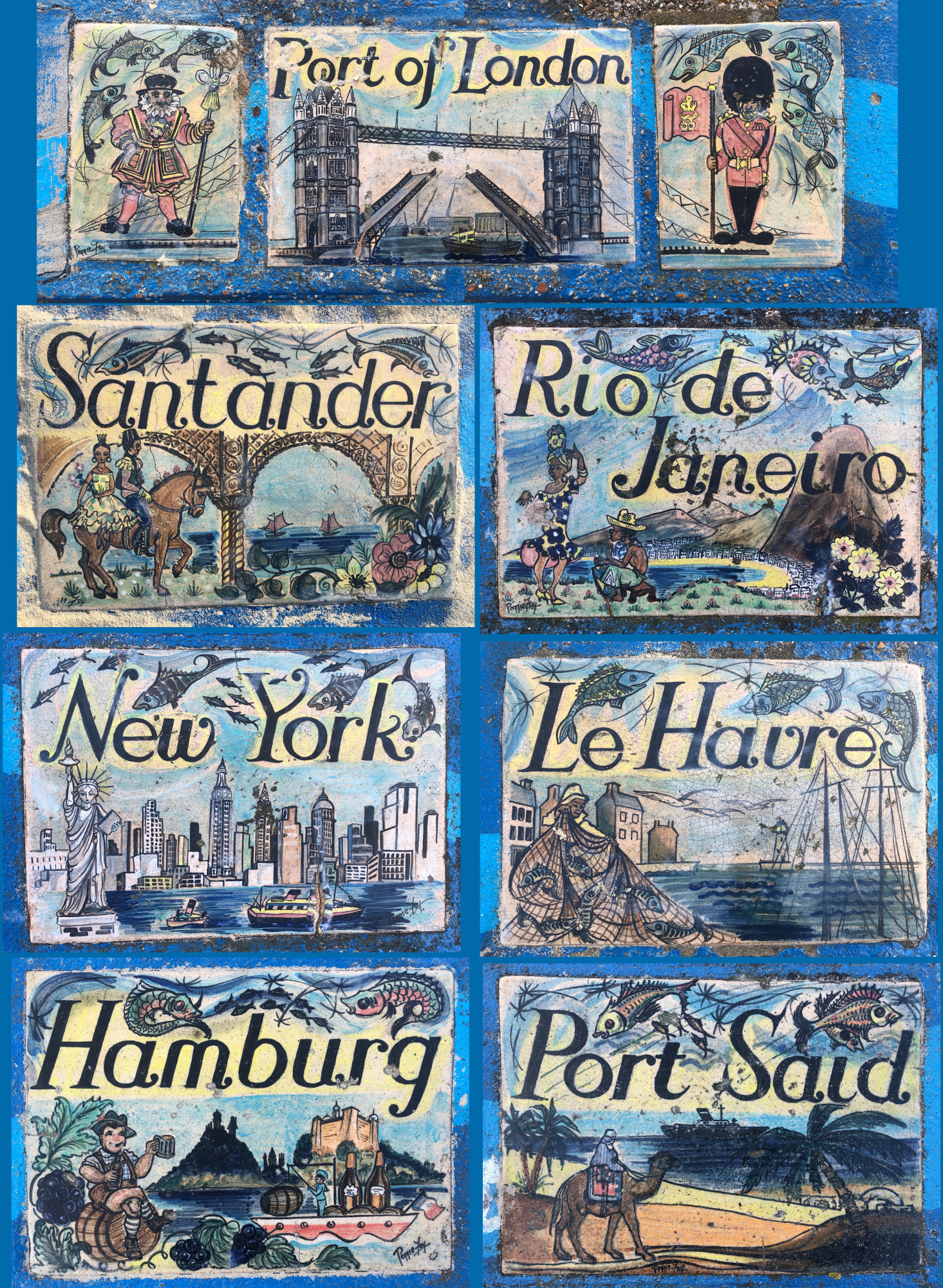
When the repairs were carried out the Yachting Pool was reborn as a Paddling Pool, with a bubbles-shaped outline and ceramic tiles with pictures of various ports around (mostly) the North Sea.  The paddling pool was very popular in sunny summer weather, and to keep good water quality, it was empty over winter.
Then, the terrace had another make-over and became a large and delux sandpit – it is probably the most popular incarnation it has had yet, it is rarely ever unused.

All the stops in the Bromley Town Centre Parks Heritage & Biodiversity trail can be found on the page about it here.

There is more information on Church House Gardens at the entry on this park in the Bromley Civic Society site, here.

To continue the Heritage Trail, turn left along the edge of the fish pond and along the causeway between that and the sandpit. Go down the left hand side of the sandpit and straight on to the gate. In front, and to the right, is Glassmill Pond.

Posted in Item in the Parks Heritage Trail | Tagged | Comments Off on Bromley Town Centre Park Trail – Stop 4/2 (A pond for fish, model boats, people and now sand)

Bromley Town Centre Park Trail – Stop 4/1 (The Herons Lake)

Previous | Next

Church House Gardens – Springs, fish pond and thatched bandstands

Welcome to Church House Gardens and it’s historic features! This location is the first stop in this park for heritage and biodiversity trail around the green spaces in Bromley Town Centre.

This was the garden for Church House, built in 1832 by Abel Moysey on land he leased from the Diocese of Rochester (Lords of the Manor). In the short time he lived here, Abel Moysey under- took extensive landscaping with specimen trees, some of which survive. The site was acquired by the District Council in 1926 and added to Library Gardens, and opened with considerable pomp and ceremony (2 brass bands, all the important people in the district, etc).

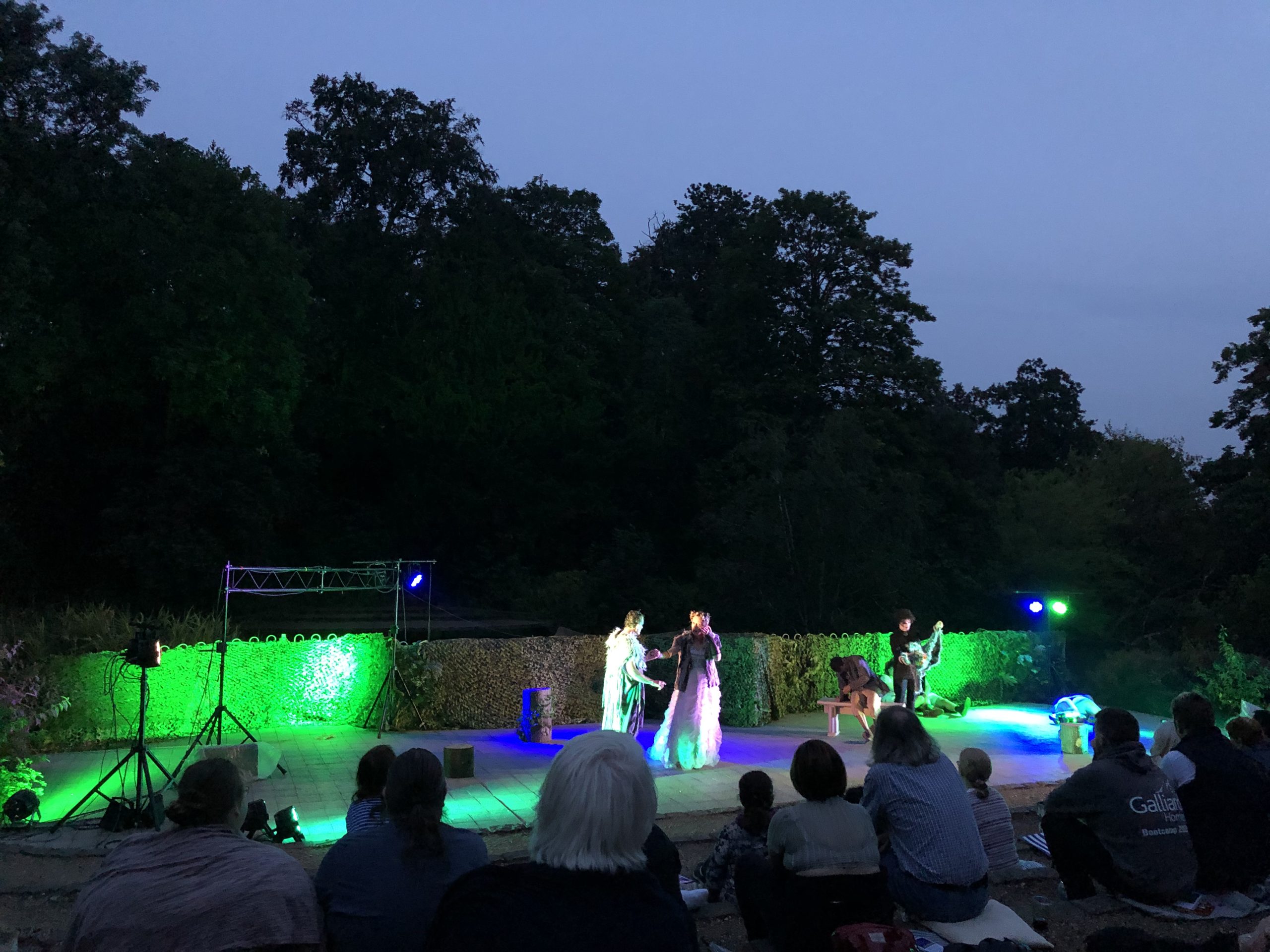
2021 midsummer nights dream

The amphitheatre on the left was constructed in the Great Depression, a constructive project to create work. It edged the terraces with granite cobbles from Market Square, from when it was resurfaced in the 1920s.

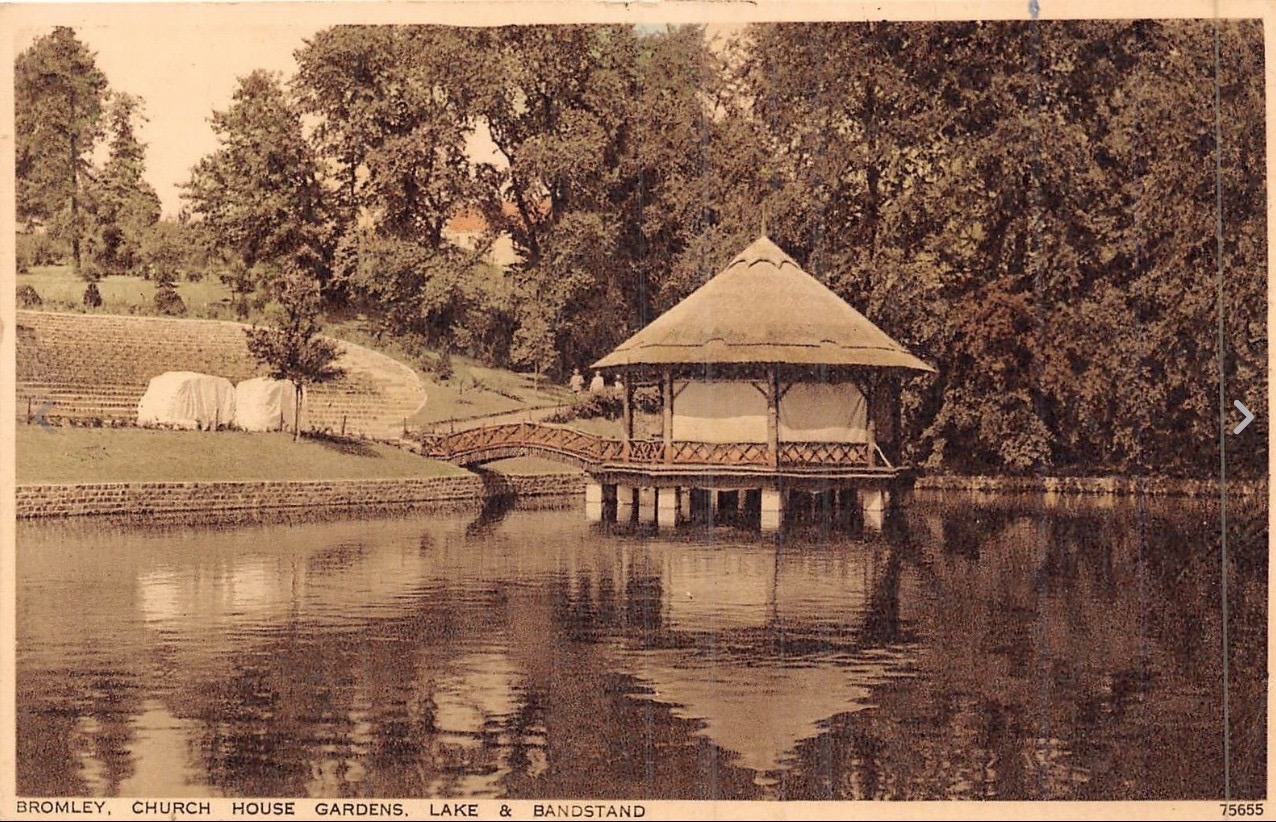
Originally the town had a beautiful rustic bandstand in the lake, thatched, and connected to land with a little bridge. This was burnt out in the 1969, and a concrete stage placed on the other side of the lake. This is now derelict (about 2010, it was functional in 2006) and the lower tiers of the amphitheatre have been filled in to create another stage, which has also not been maintained making the power connections interesting, and means the lake fountain was not working even before the water supply to the lake stopped.

Another Fact

Why is this side of the Ravensbourne Valley so steep? Why is this little valley carved into the side? This is all down to the springs along here – over 1000s and millions of years sand and gravel is washed out and the soil above collapses down. 

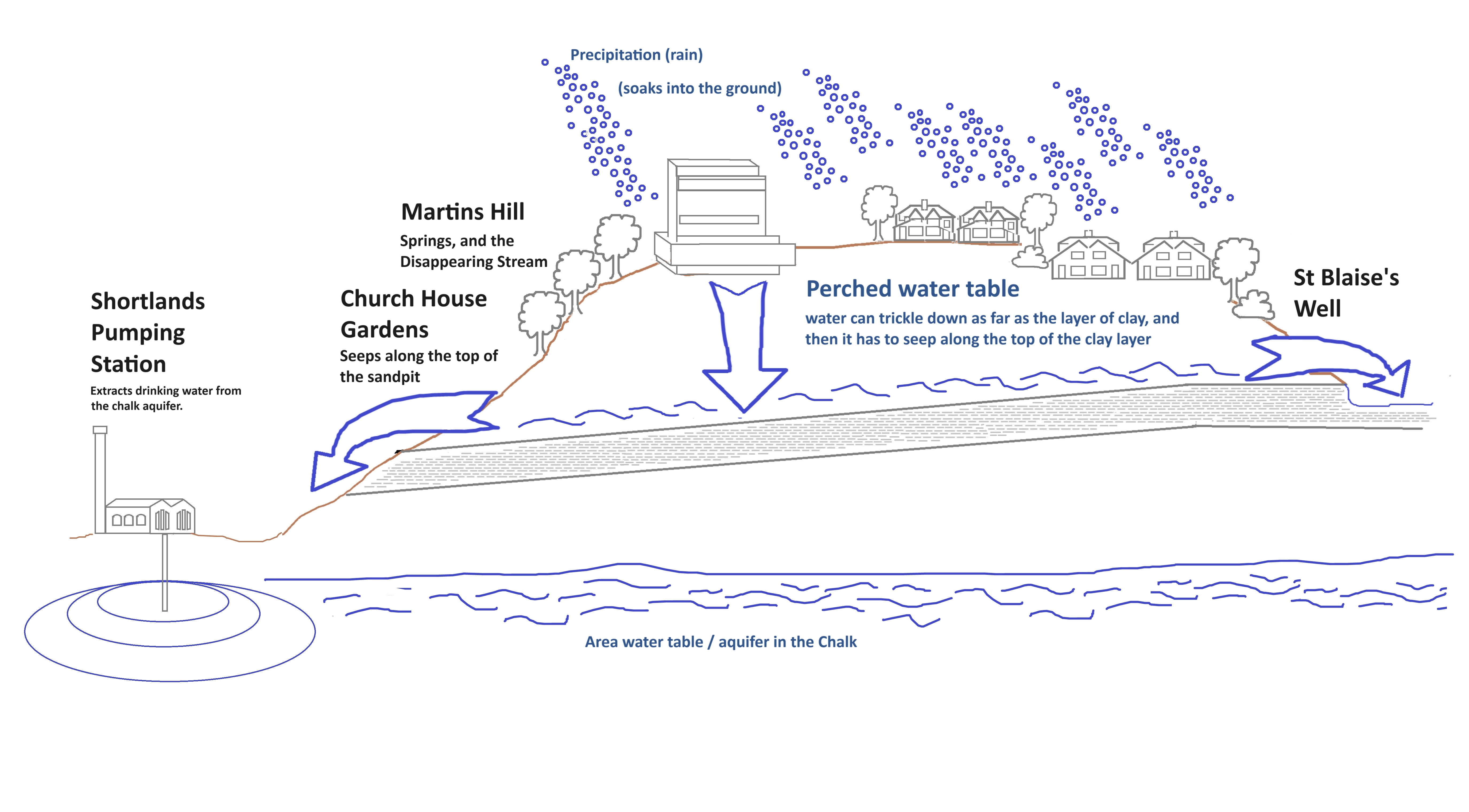
These springs are from the ‘perched water table’ under the town centre (probably why there was a settlement there in the first place) where rainwater is stopped from sinking down by a layer of clay.  

diagram of a hill with a perched water table in it

Diagram of the perched water table under Bromley town centre, coming out as spring lines above Shortlands and at St Blaise’s Well. After Paul Rainey, 2012.

Have you been to the disappearing springs yet on Martin’s Hill? They come out from the perched water table, trickle down to where the Thanet sand formation is under the grass, and then the water sinks back in.

All the stops in the Bromley Town Centre Parks Heritage & Biodiversity trail can be found on the page about it here.

There is more information on Church House Gardens at the entry on this park in the Bromley Civic Society site, here.

To continue the Heritage & Biodiversity Trail, turn left along the railings at the side of the water, walking to the bottom of some steps.

Posted in Item in the Parks Heritage Trail | Tagged , | Comments Off on Bromley Town Centre Park Trail – Stop 4/1 (The Herons Lake)

Bromley Town Centre Park Trail – Stop 3/1 (Library Gardens of Neelgharies House)

Previous | Next

Neelgharies – George and Emily and their bequest

Welcome to the historic Library Gardens! This location is the first stop on the heritage and biodiversity trail around the parks in Bromley Town Centre.

The land that the Churchill Theatre stands on, and the level garden here, were bequeathed to the people of Bromley by Emily Dowling, the widow and second wife of George Dowling.

Fun Fact

There used to be a much-loved floral clock in Library Gardens, but the hands did not go around. Instead, they were set to the Library closing time.  The nanny in the picture does not looked impressed, and her high-wheeled pram would never fit through modern shop doors!

miserable nanny with elaborate high-wheeled pram

Nanny and high-wheeled pram with canapy in Library Gardens

beautiful floral clock with red and yellow flowers

The much-loved Floral Clock in Library Gardens.

Pair of red boots walking over artifical turf

In 2021 the Churchill Theatre created this image to promote a play.

Although the council thought about building their own offices on the land, the terms of the bequest did not make this possible – so the Carneigie Library was built, funded by the philanthropist Andrew Carneigie. Before this, libraries were not normally free for use, and often provided by bookshops. There had been a free library in the Old Town Hall – HG Well’s father borrowed books from this library for his son, who became a famous author.

The Carneigie building was demolished to provide the site for the Churchill Theatre, the Central Library, and the archives.

All the stops in the Bromley Town Centre Parks Heritage & Biodiversity trail can be found on the page about it here.

There is more information on Library Gardens at the entry on this park in the Bromley Civic Society site, here.

To continue the Heritage Trail, carry on straight on through the park to the 3rd table-style bench, and there is a path down the hill to your right. Follow this down to the Fishpond.

Posted in Item in the Parks Heritage Trail | Tagged , , | Comments Off on Bromley Town Centre Park Trail – Stop 3/1 (Library Gardens of Neelgharies House)

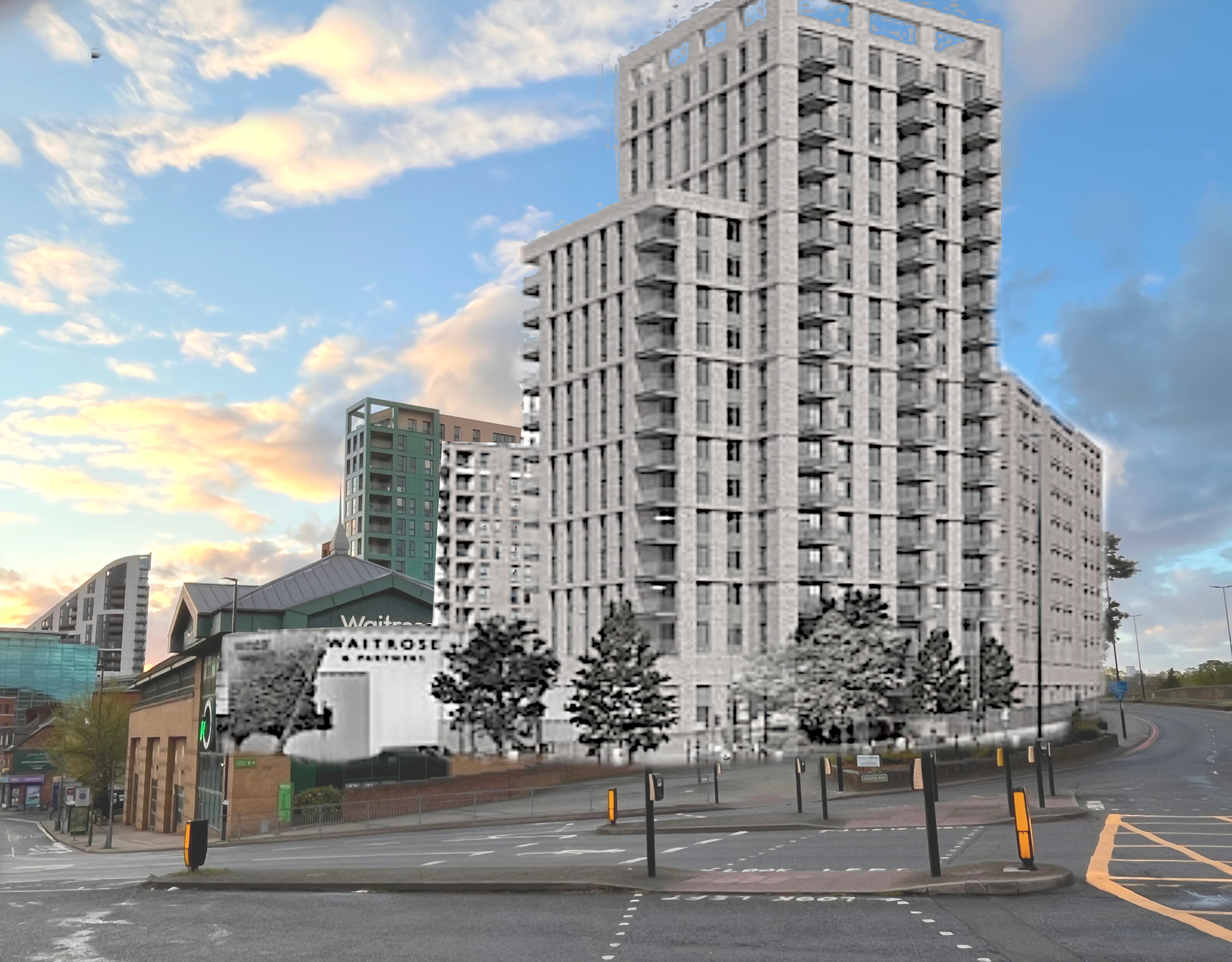
Waitrose’s Bromley Cliff Face proposals approved.

The proposals were approved. One of the major problems we had with the campaign was the approx 100 supportive comments lodged on the proposals after the first consultation. Most of these were because the authors thought that this proposal would help the local ‘housing crisis’. Unfortunately, it will not.

It will not help local housing need; even the few “affordable” ones will be at 80% of market rates, pricing them beyond local people’s pockets – to be precise this is requiring an income of £51K and costing £1196 a month*.

Continue reading
Posted in BCS news | Comments Off on Waitrose’s Bromley Cliff Face proposals approved.

The Ha-ha! – Grade II Listed

The Ha-ha features as a stop in our Bromley Town Centre Park Trail, here.

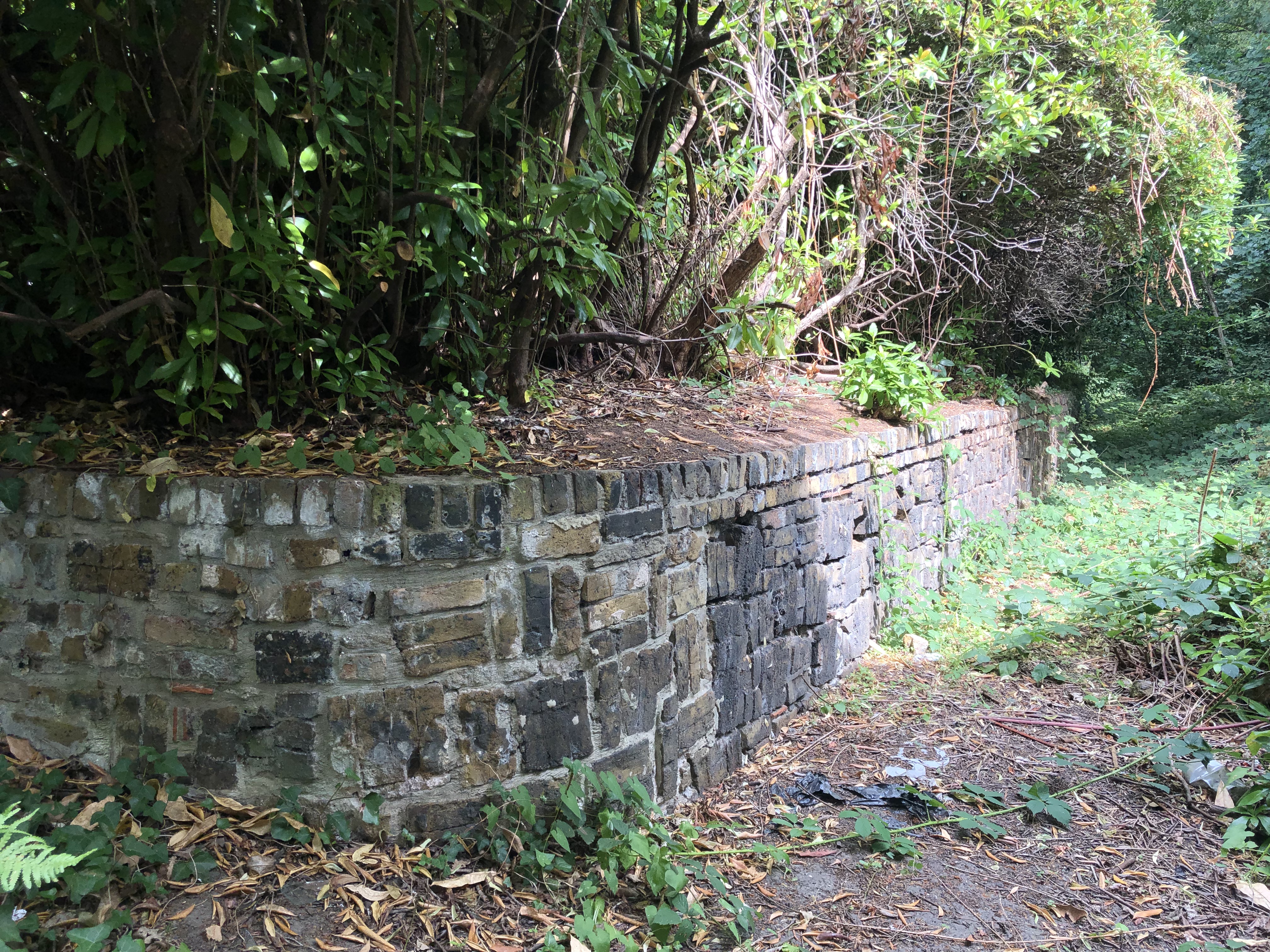
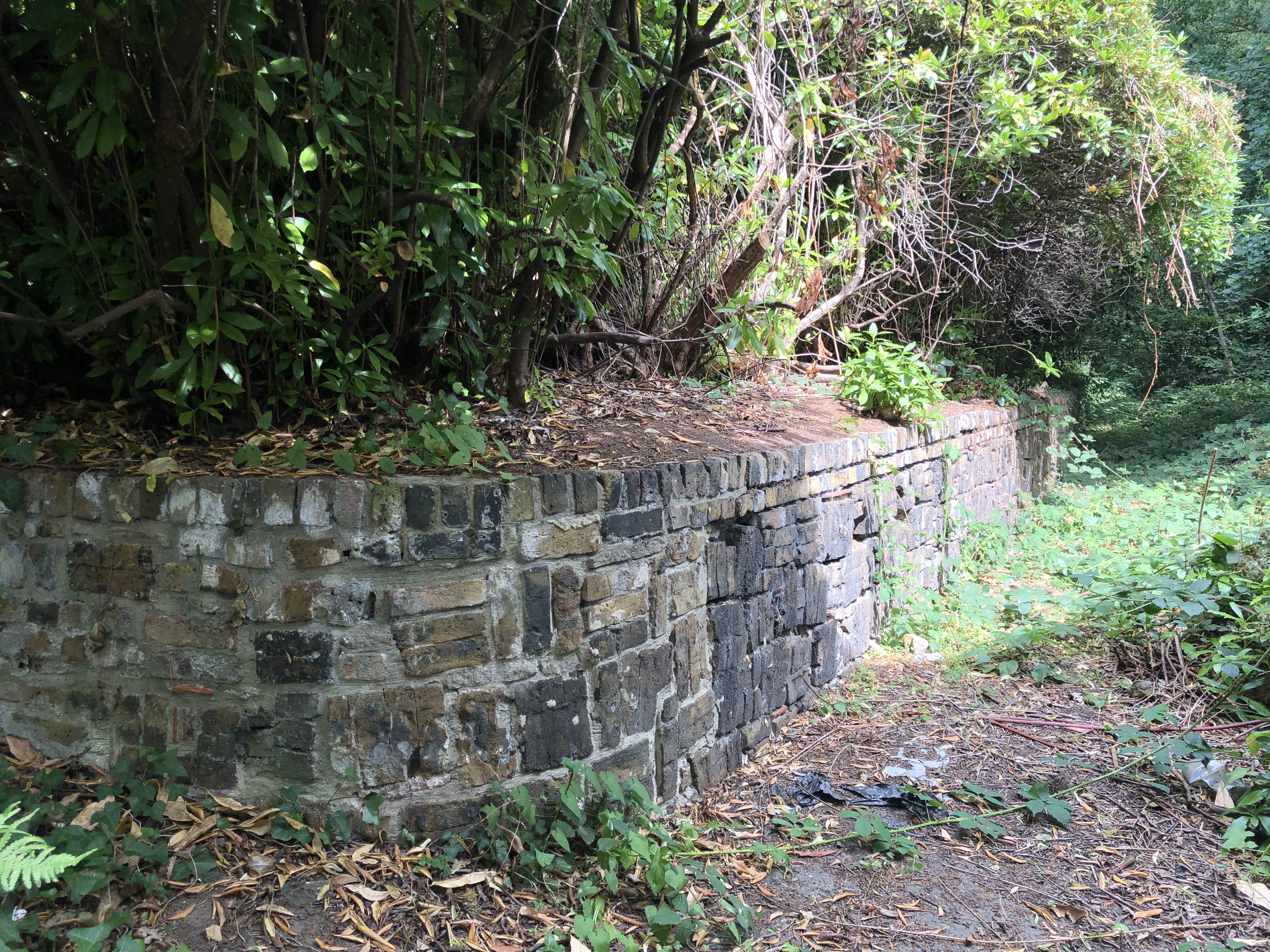
a look-like stone wall in bushes
2021 the curved end of the Ha-Ha, as revealed that summer. Note the squares of scorched brick that look like stones from a distance.

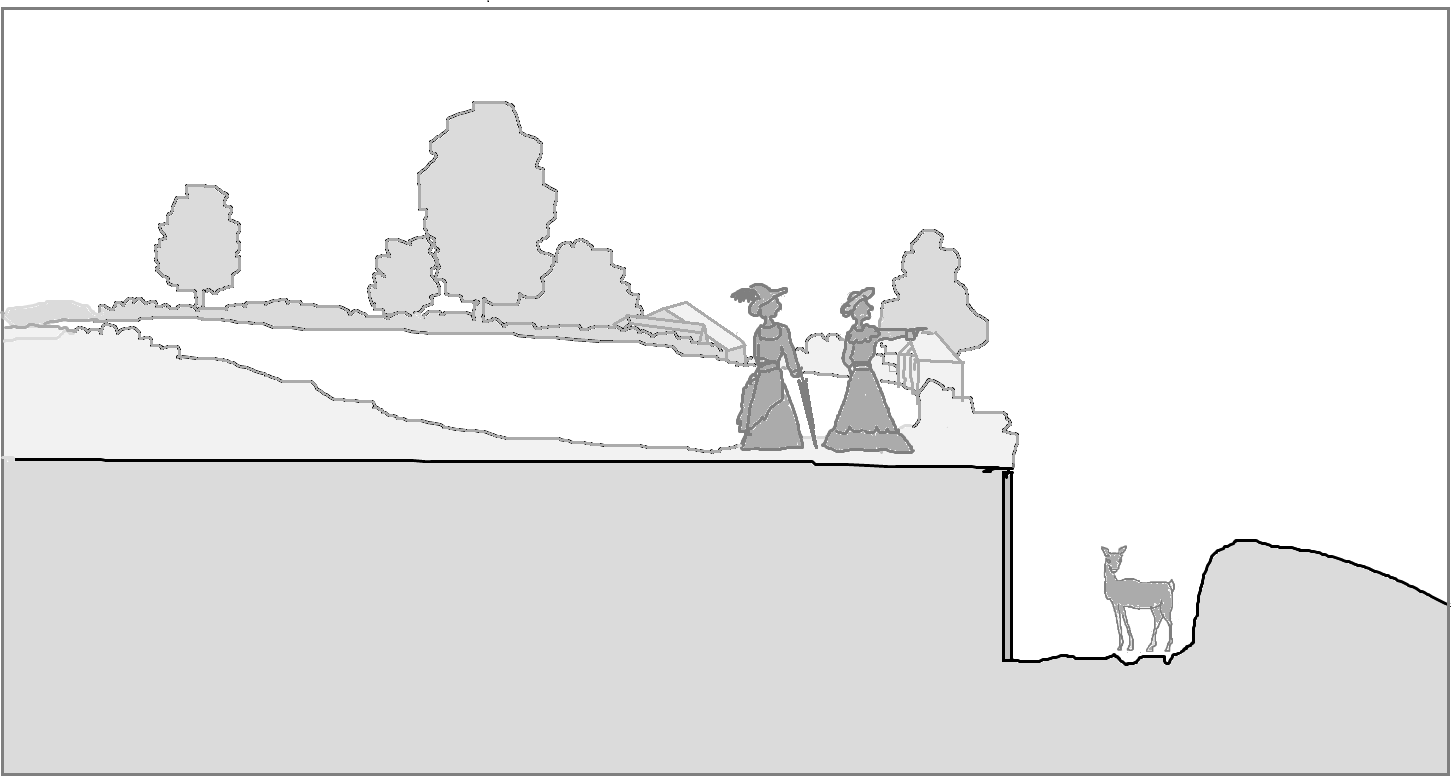
The Ha-ha remained a fashionable feature of a stately home’s grounds for many years, because it also had a practical value. Instead of some ugly fence and wall, necessary to keep out local livestock and deer, that spoiled the vista from your windows, you had a ha-ha instead.

cross-section showing ditch taller than a deer
Cross-section illustrating our Ha-ha keeping grazing animals out but not hindering the view.

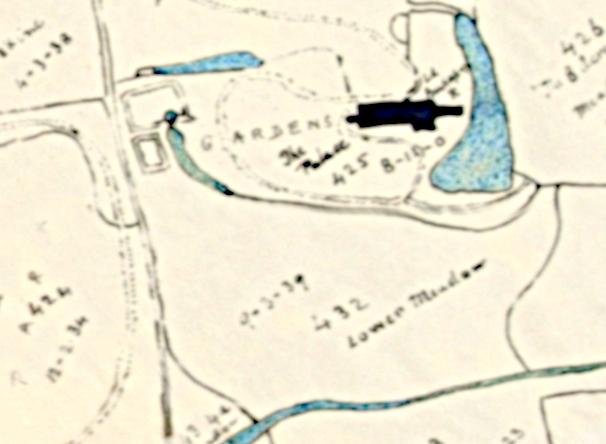
Like other ha-ha’s that James Pulham built, this ha-ha followed the line of an existing water course. There were ponds underneath the ‘Y’ buildings and this was the line of a pond/stream that drained them down the valley:

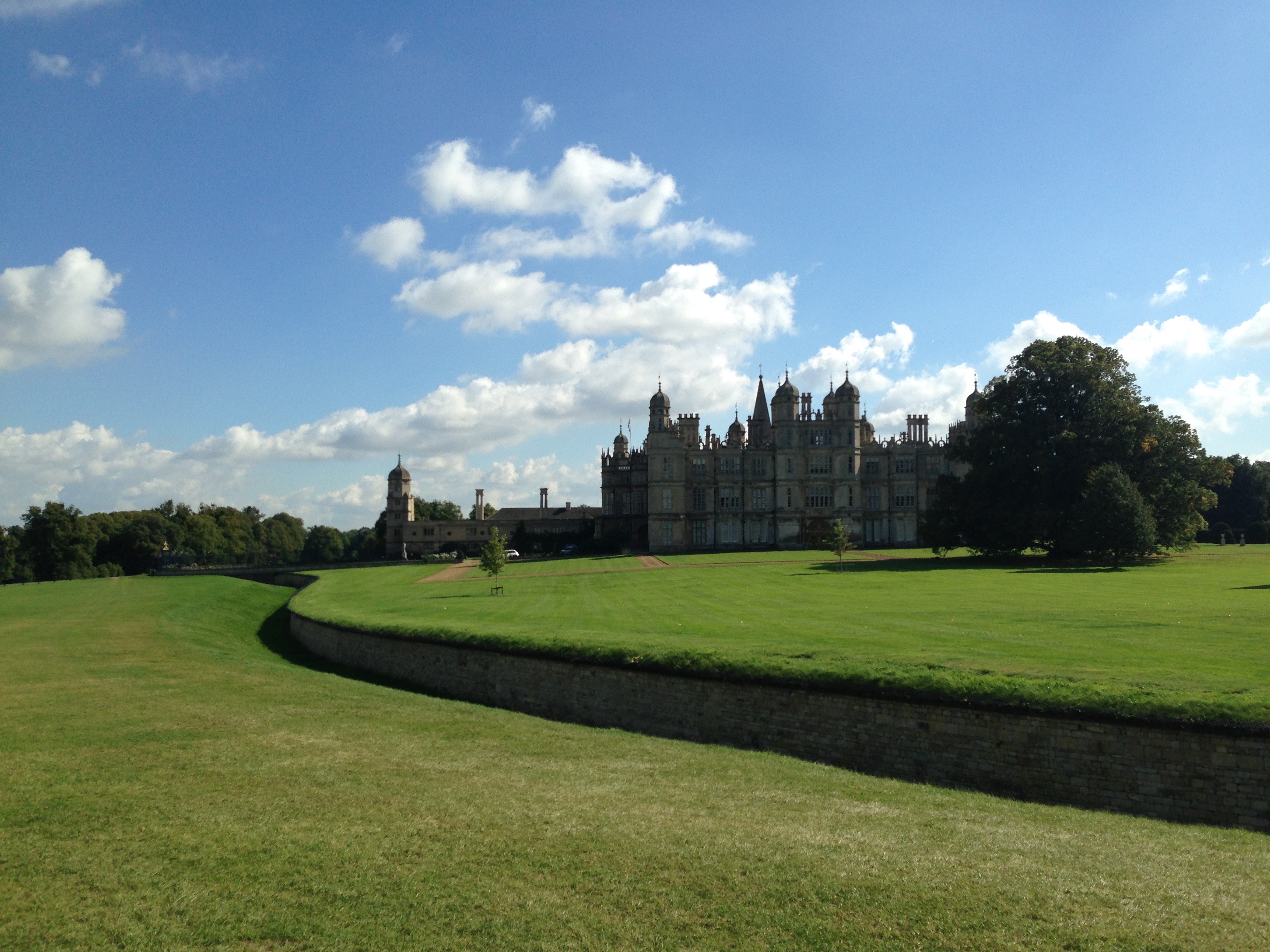
expansive lawn with distant stately home and a deep walled ditch in the foreground
A particularly fine Ha-ha at Burghley House – the nearer grass is grazed but the grass the other side is mown (photo in 2015)

The page on the Bromley Palace Park, including the other historical features, is here.

Posted in Green Space - Palace Park | Tagged , | Comments Off on The Ha-ha! – Grade II Listed

Bromley Town Centre Park Trail – Stop 1/4 (Cascade & Ha-Ha)

Previous | Next

The Cascade & Ha-Ha!

This stop on the Bromley Town Centre Park Trail looks at two of the Grade II listed historic features of the park.

The Pulhamite Cascade Installation (Grade II Listed by Historic England)

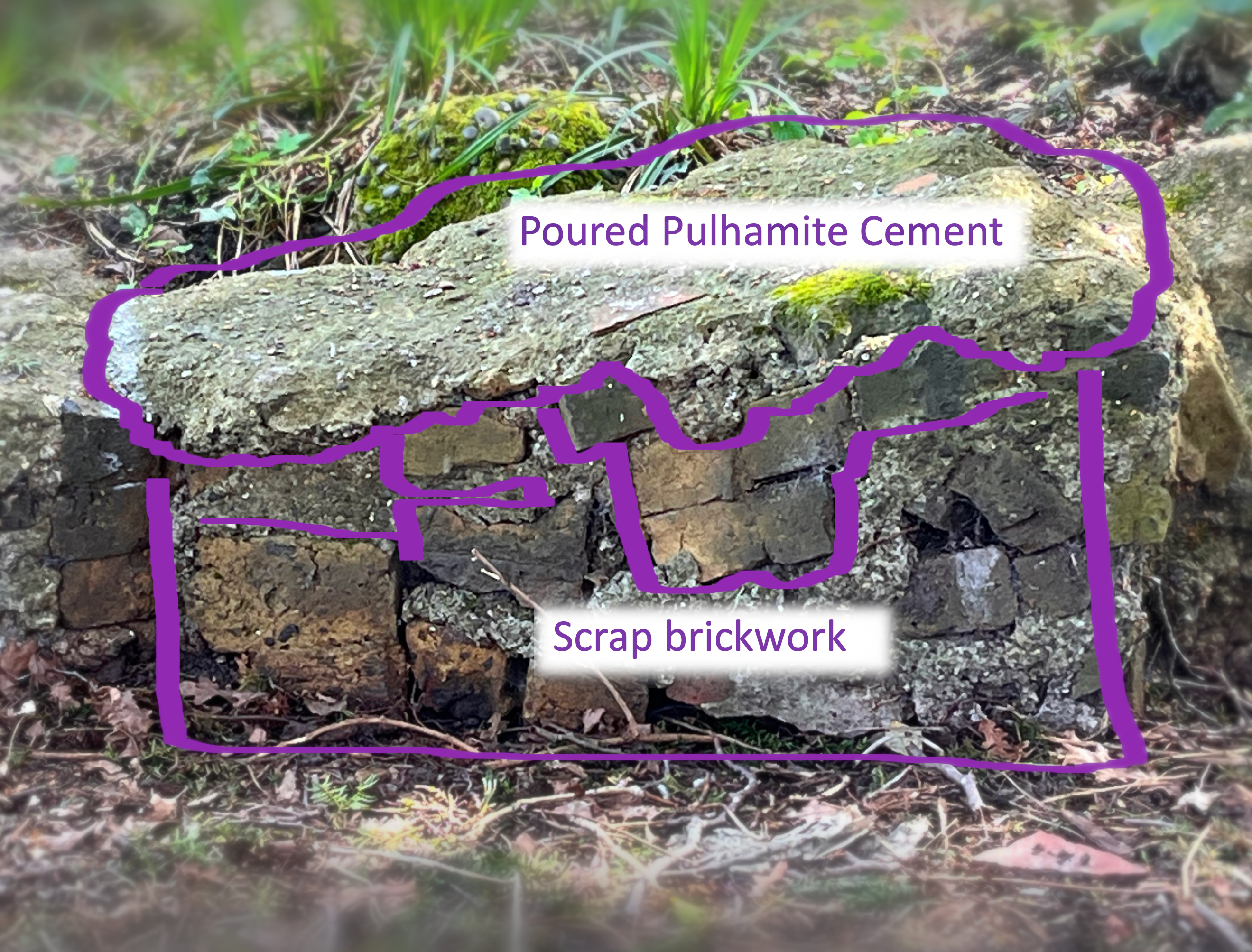
In the 1700s, young aristocratic men would go on a ‘Grand Tour’ of Europe, and from the landscapes they saw, a fashion grew up for ‘Gothic’ features in the gardens of landed gentry, including gloomy glens and waterfalls. Like much of southern England, Bromley is underlain by clay and gravel, rather than hard rocks where waterfalls might naturally occur. So, James Pulham came up with an early recipe for concrete, and could supply the fashionable by building these features in their gardens – in this case, a waterfall with realistic looking ‘Pulhamite’ rocks so that waterfalls could be convincingly created.

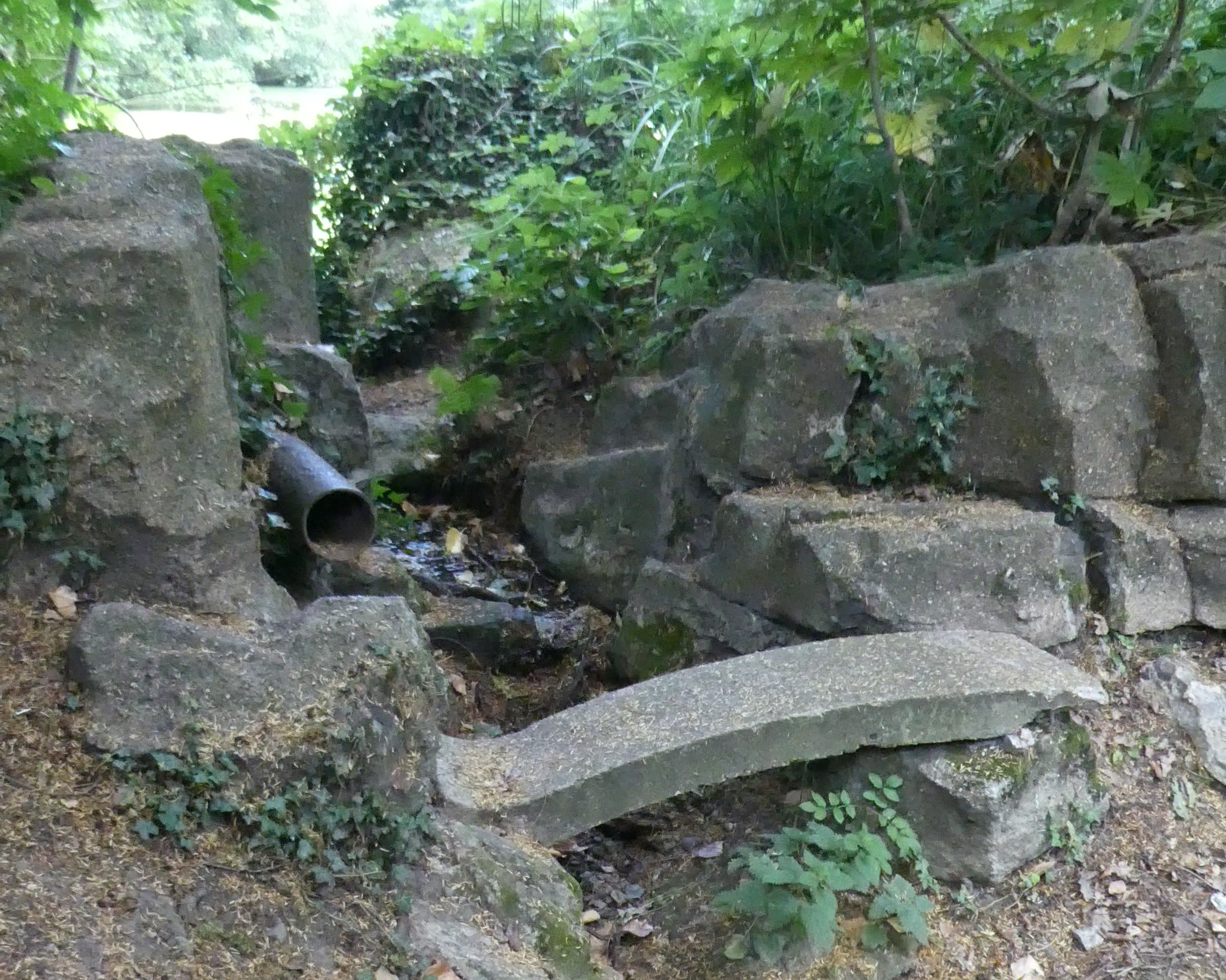
The Monet-style bridge

The little Monet-style bridge when it was in place at the top of the Cascade

Our cascade also had a little bridge at the top – unfortunately, for some reason the council contractor has moved this to the bottom. The bridge was probably only for visual effect – you had to have good balance to cross with it, as it is rather small and narrow.

No natural waterfalls? No Problem, we’ll make one (for a price)!

You live somewhere, where nature has not provided your garden with a waterfall? Or not even any rocks at all, for many a league? Then James Pulham and Son can craft you one that is so convincing it can deceive a naturalist (though they never said who the disillusioned naturalist was). 

This Pulhamite waterfall, The Cascade, makes the mundane outlet for the Moat (well, fishpond most of the time) into a fashionable feature, the dam itself becomes decorative. Unfortunately, the top basin of the cascade is cracked so the water no longer tumbles down the face.

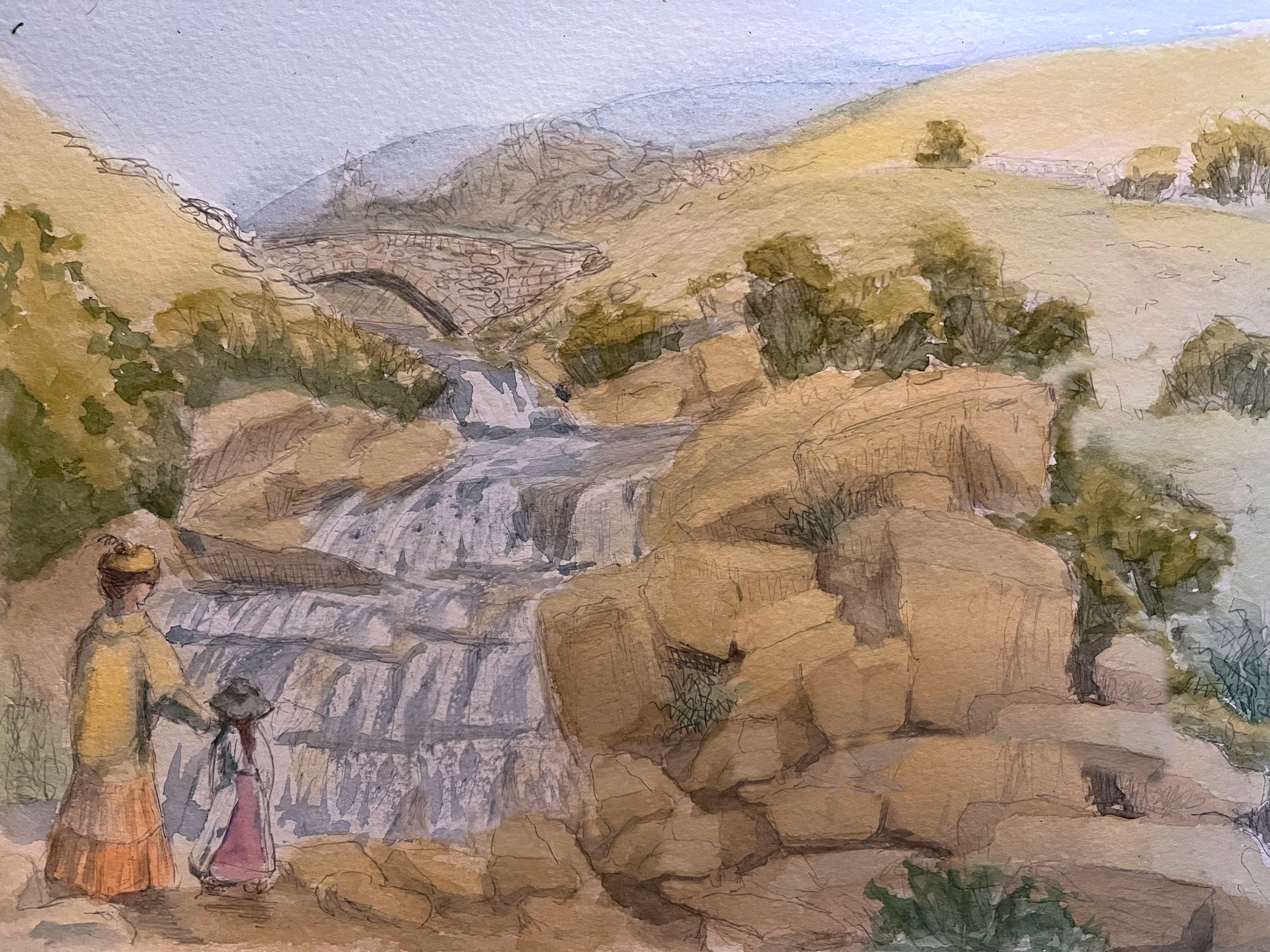
watercolour of a cascade surrounded by large square lumps of rock
Inspired by the Peak District. This Victorian style water-colour is of Three Shire Bridge on the River Dane. The rocks here are Millstone Grit, the same as the Pulhamite installations were recreating.

Field Trips to observe the Original

James Pulham & Sons sent their craftsmen to Derbyshire to observe the Millstone Grit rocks.  There, the gritstones form ‘scars’, small cliffs, across the hillsides. Seeing how the rocks outcrop, helped them imitate it convincingly in their installations (no photos in those days).

The Ha-ha! (Ah-ha in French)

The Georgians had Infinity Views instead of an Infinity Pools.

The recently revealed Ha-Ha, is a fine brick example, added by James Pulham when his company built the Fernery, Cascade and Folly for the (new) Lord of The Manor of Bromley, Charles Coles Child esq, Standing on top of the Ha-ha meant that you had a fine view over the valley and down to the River Ravensbourne where St Marks Church was built a few years later.

A diagram of our Ha-ha! showing how it kept grazing animals out without installing an ugly fence. Our Ha-ha! followed the ditch already dug for the fishpond drainage.

It’s thought they are called ‘Ha-Ha’s because the ‘infinity’ view would lead to a surprise when the drop and ditch was revealed, here’s the explanation from the National Trust:

Originally a feature of formal French gardens of the early 18th century, the ha-ha was first described in print in 1709 by the gardening enthusiast Dezallier d’Argenville in his La Theorie et la Practique du Jardinage (The Theory and Practice of Gardening). According to d’Argenville – and his first English translator, John James – the ha-ha derived its name from the success of the optical illusion it created from a distance on viewers of the garden: the concealed ditch and wall would ‘surprise the eye coming near it, and make one cry,‘Ah! Ah!’’

Ha-ha’s were fashionable for a long time, This is one of the finest, at Bughley House:

To continue the Heritage Trail, take a few more paces down the Carriage Drive to reach an elegant porch.

The page on the Civic Society website for the Pulhamite Cascade is here, and the Ha-ha! here, and the one for the whole of the Palace Park is here.

Posted in Item in the Parks Heritage Trail | Tagged , , , , | Comments Off on Bromley Town Centre Park Trail – Stop 1/4 (Cascade & Ha-Ha)

Bromley Town Centre Park Trail – Stop 1/5 (Ice-well/Summerhouse porch)

Previous | Next

Welcome to Bromley Palace Park and it’s historic features! This location is the fifth stop in the heritage and biodiversity trail around the historic parks in Bromley Town Centre.

The Ice-well, Summerhouse, & Canoe Store

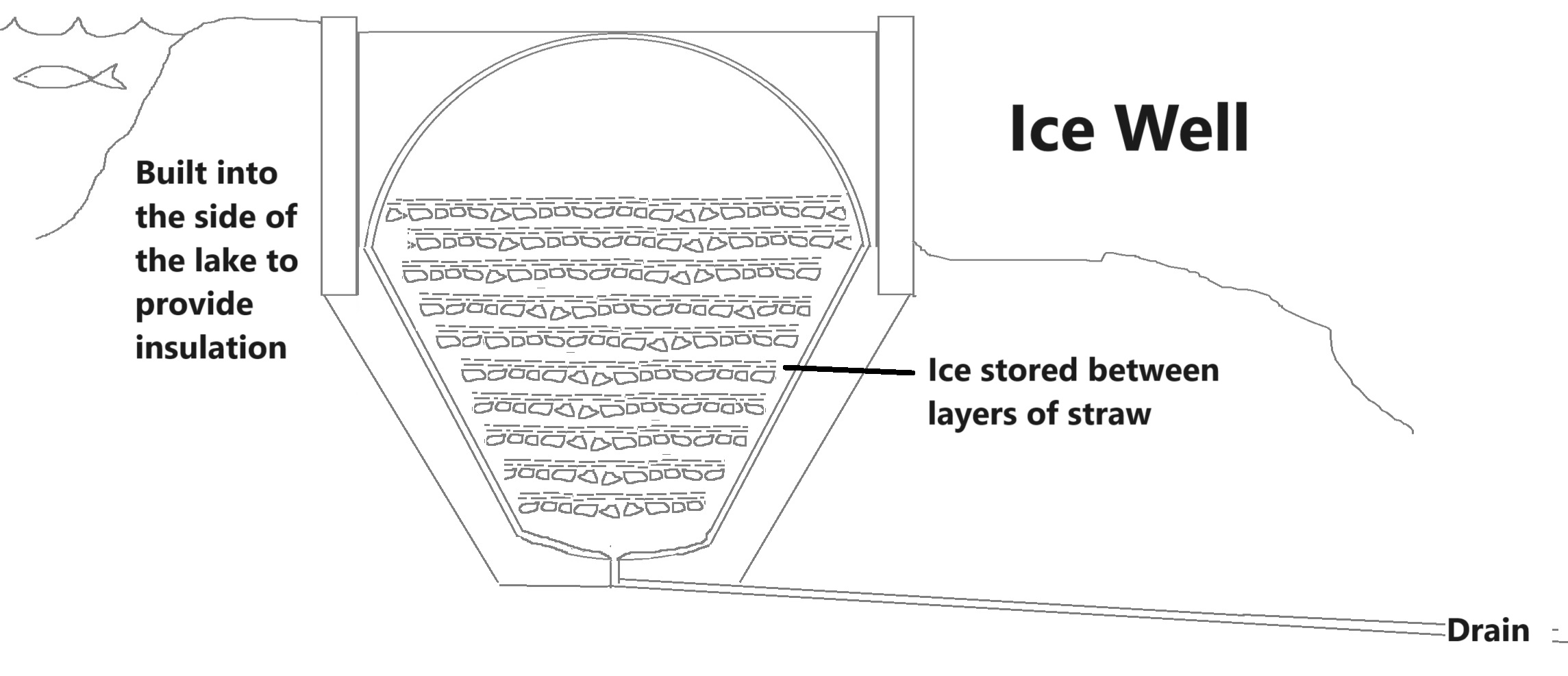
This building is several things: it has been an Ice Well, and is now a boat house and an Arts and Crafts Summer House. The original ice well was built in the mid 1700s, when the well-to-do would store ice, stored in layers of straw – as refrigeration was not available. Iced desserts were very popular from Georgian times and many fashionable balls would serve only iced refreshments. High Elms and the Bishops Palace had one Ice House each, while Sundridge Park had two.

Diagram of the ice well
Figurative diagram of the ice well, dug into the slope by the Moat.

The original ice well was built in the mid 1700s, when the well-to-do would store ice, stored in layers of straw

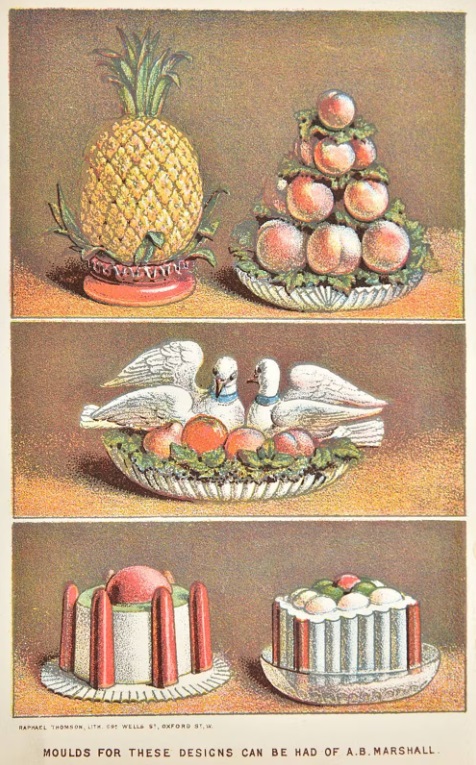
Ice deserts became popular with the very wealthy from 1670s. They reached quite an art form in the mid 1800s, being moulded and decorated; skilled cooks would pound and process the ice into elaborate moulds, imitating the ancient Roman fashions of making the food appear to be something different to what it was. Books were published with many different flavours, – these included cucumber, bread and pistachio, tea, and coffee, in addition to flavours common today like orange and lemon.

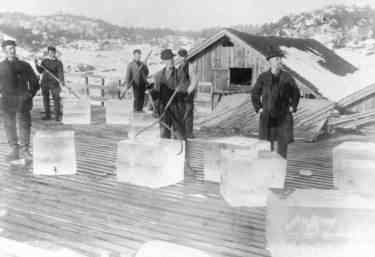
C19 working men standing on frozen lake with knee-high cubes of ice
Ice cut in Norway to be shipped to London
pinapple, dove, cake resembling moulded ice cream
1800s moulded ice cream from a popular book by Agnes B Marshall.

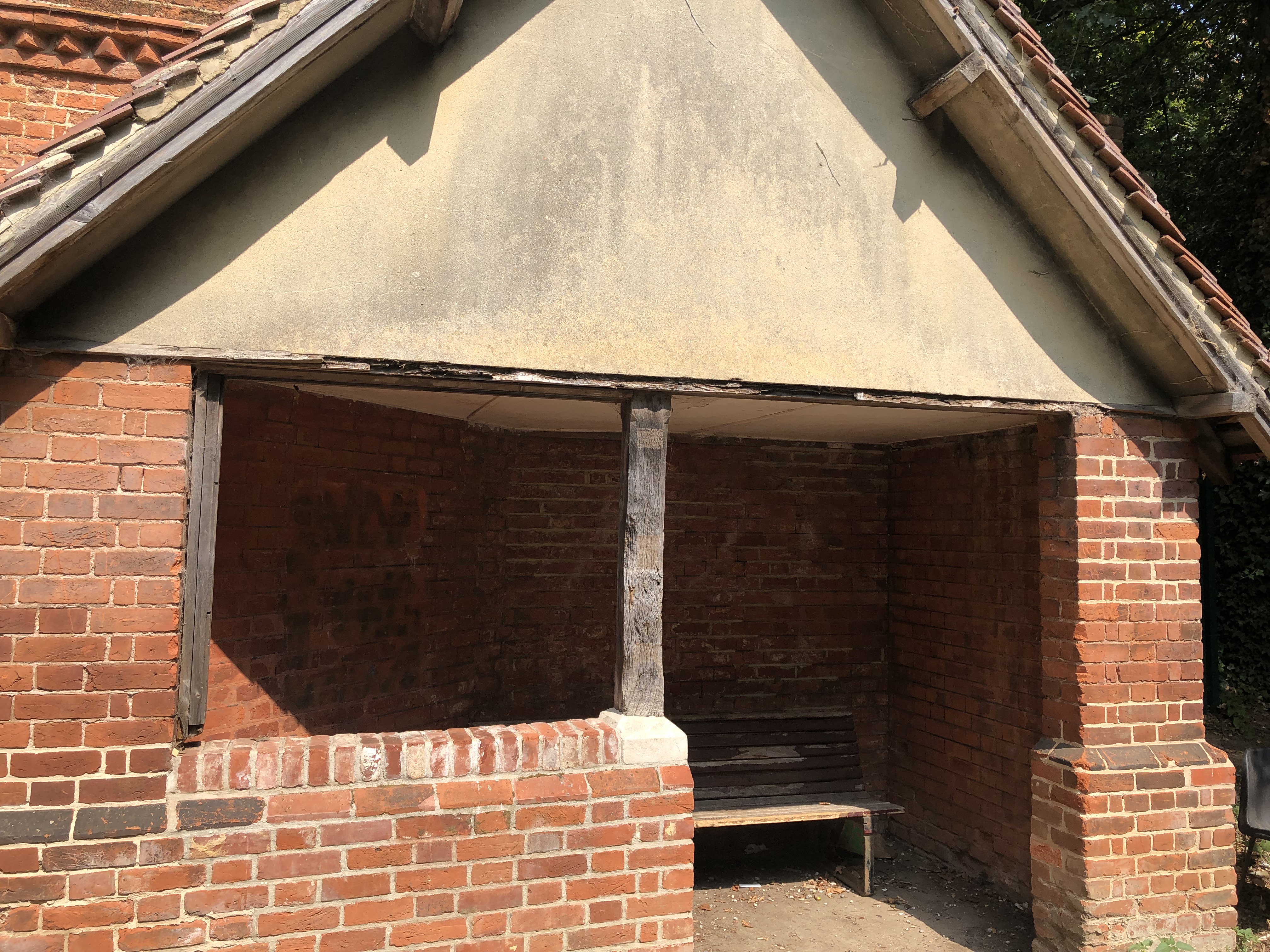
This ice well was then remodelled in the 1860s, by R Norman Shaw, who also designed some estate cottages and a bailiff’s cottage for the Lord of the Manor, Mr Coles Childs. He added a nice porch with a seat in, and it had a fine view over the Ha-Ha along the valley where the Blackbrook runs into the Ravensbourne by St Marks church.

black-and-white photo of room with arched roof
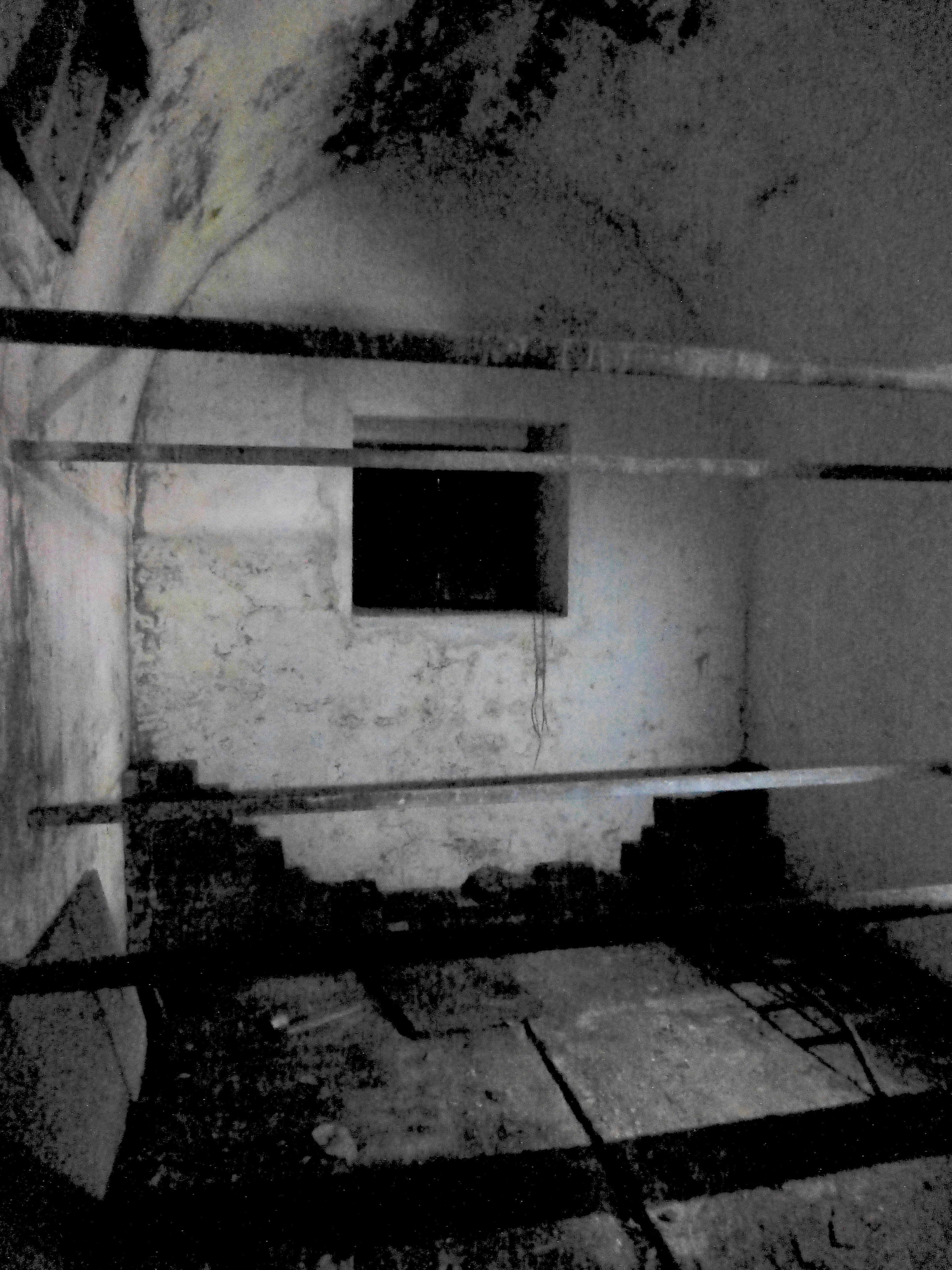
The former icehouse with the pit filled in and fitted to store boats, before the roof was allowed to collapse in 2020.

The building was inspected in 1975 by Geoffrey G Cooke, who described it and provided measured drawings for English Heritage, where it is on their ‘At Risk’ register. In 2020 the roof collapsed.

The whole of the Bromley Town Park Heritage and Biodiversity trail can be found here.

The Icehouse also has its own entry here in Bromley Civic Society’s page on this park, here.

To continue the Heritage Trail, continue along the Carriage Drive to the end, where there is a lawn.

Posted in Item in the Parks Heritage Trail | Tagged , , , , | Comments Off on Bromley Town Centre Park Trail – Stop 1/5 (Ice-well/Summerhouse porch)

Bromley Town Centre Park Trail – Stop 1/6 (Old Bishops Palace)

Previous | Next

The Eastern Lawns and the Old Bishops Palace

Welcome to Bromley Palace Park and it’s historic features! This location is the sixth stop in the heritage and biodiversity trail around the historic parks in Bromley Town Centre.

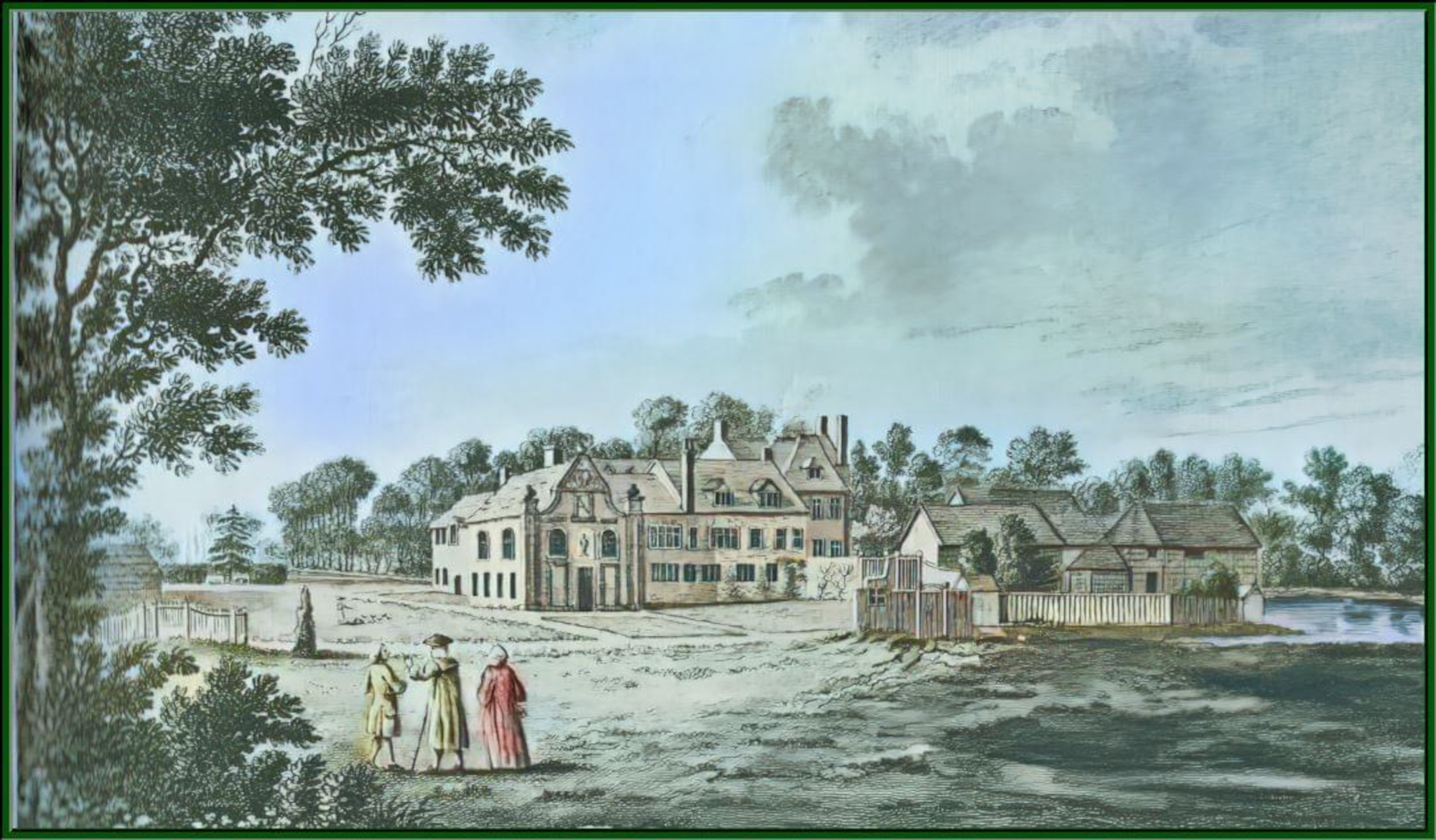
Colourised version of The “View of the Bishops Palace in Bromley”, by Hasted, said to have been drawn before the year 1756

This is the lawn and ‘rear elevation’ of Bromley Palace, usually called The Old Bishops Palace. The current building dates from 1775 (Georgian era) but when Charles Coles-Child bought The Lord of The Manor of Bromley, he added fashionable decoration to the brickwork and the arches of the arcade.

Drawing of the dilapidated Medieval palace, as reconstructed by Ken Wilson. Four times it became ruined as the land was too poor to maintain it.

This article is only a small part of the extensive information on this lovely historic building.  It is to be hoped that the beautiful reception rooms will remain in public access given the uncertain future.

Continue reading

Posted in Item in the Parks Heritage Trail | Tagged , , , , | Comments Off on Bromley Town Centre Park Trail – Stop 1/6 (Old Bishops Palace)

Bromley Town Centre Park Trail – Stop 1/7 (The Folly)

Previous | Next

Ruin with arched window
The Folly cira 1940s

Welcome to Bromley Palace Park and it’s historic features! This location is the second stop on the heritage and biodiversity trail around the historic parks in Bromley Town Centre.

When Mr Charles Coles Esq bought the rights and titles of the Lord of the Manor of Bromley, he commissioned James Pulham & Sons to create some of their installations in the park. It was very fashionable to have a Folly in your park or estate, and this one was placed next to the entrance, so anyone coming in from the south would not miss it.

One of these was this Folly, which included a genuine medieval arch and pillar, found when dredging the Moat.

Figure of St Blaise on the folly.

The folly is decorated with a figure in a shield, thought to be St Blaise, whose well is at stop 1 of the trail. He has his shepherd’s crook, a faithful dog, and is wearing a shepherd’s smock, so this is possible.

St Blaise was bishop of a city that is now located in modern day Turkey, so had no local connection. However, he was a popular saint in Bromley and Kent, as he is associated with wool combing. His saints day is the 3rd February.

Unfortunately, when Historic England required the council to remove the very overgrown ivy from the Folly, the head of the saint was lost.

a tall, three-cornered stone tower.
King Alfred’s Tower, the extravagant folly for the Stourhead estate.

The whole of the Bromley Town Park Heritage and Biodiversity trail can be found here.

The Folly also has its own entry here in Bromley Civic Society’s page on this park,

To continue the Bromley Town Parks Heritage Trail, turn right, go uphill on Rafford Way, and behind the brick wall you can cross the Bypass via a bridge or at street level. On the other side is Queens Gardens, where the next stop is.

Posted in Item in the Parks Heritage Trail | Tagged , , | Comments Off on Bromley Town Centre Park Trail – Stop 1/7 (The Folly)